

When it comes to What Common Issues Should I Look for When Remodeling My Bathroom?, common bathroom remodeling risks include skipping licensed permits, ignoring hidden plumbing issues, and underestimating moisture control, all of which cause costly rework. Paul’s Carpentry Workshop, licensed and lead-certified with over 40 years of combined experience across Massachusetts, addresses these through detailed proposals, code-compliant installation, and structured project management from consultation through final finish work.
Why Does Bathroom Remodeling Carry Hidden Risks?
Plumbing lines, heavy-duty tub and shower fixtures, and tile work all overlap in a single small room, creating more room for costly surprises than almost any other renovation. Bathroom projects rank among the most complex home renovations for exactly this reason. A miscalculated water line or a poorly sealed tile joint doesn’t just cost money to fix later. It can damage subfloors, drywall, and ceilings below, turning a simple update into a major repair bill.
What common issues should homeowners look for when remodeling their bathroom?
Hidden risks tend to cluster around a few recurring trouble spots. Homeowners evaluating a bathroom project should watch for:
- Plumbing rerouting that isn’t sized or sloped correctly, leading to slow drains or leaks
- Fixture installations that skip proper waterproofing behind tile and around tubs
- Ventilation gaps that trap moisture and invite mold growth
- Permit and inspection steps skipped or handled inconsistently
Because these issues surface only after walls close up, catching them early protects both the budget and the home’s structure.
Why does experience matter so much in avoiding these problems?
A contractor’s track record directly affects how many of these risks get caught before they become expensive. Paul’s Carpentry Workshop brings over 40 years of combined carpentry and remodeling experience to every bathroom project, backed by full licensing, insurance, and lead certification. The company has completed more than 500 projects for satisfied clients across Massachusetts, giving it a practiced eye for the plumbing and structural details that cause the biggest headaches.
An A+ Better Business Bureau rating reflects that consistency. Managing permits, inspections, and every project phase in-house keeps small issues from escalating into costly rework down the line.
What Planning Mistakes Lead to Costly Delays?
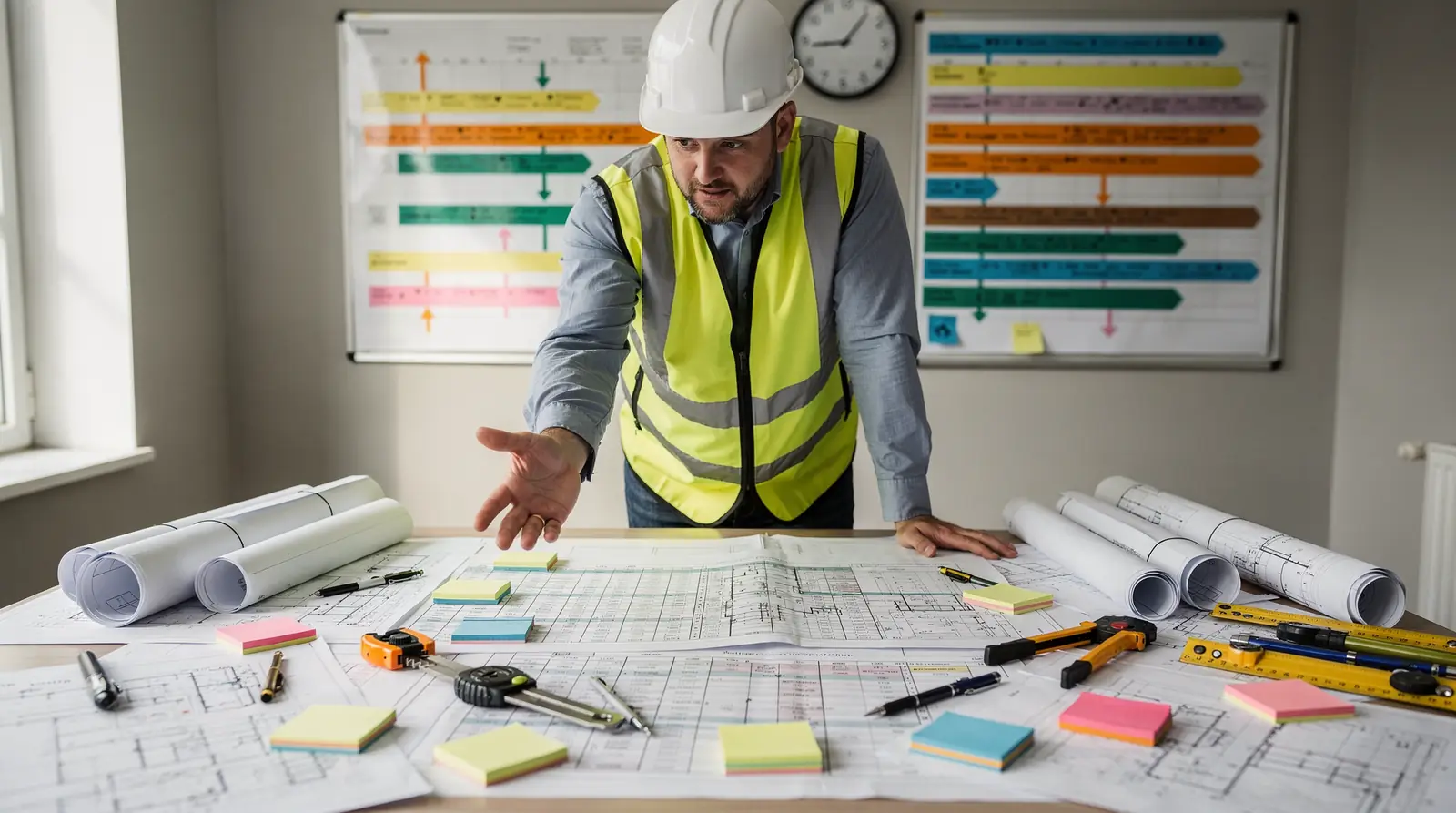
Skipped goals cause the costliest delays in any bathroom remodel. Homeowners often start demolition before deciding whether the project should improve daily function, boost resale value, or simply update dated finishes. Without that clarity, decisions about layout, fixtures, and materials get made twice—once in haste, then again after a change of mind mid-project. Each reversal adds labor hours and pushes back the schedule.
A clear plan prevents these detours before the first tile comes down. Paul’s Carpentry Workshop addresses this risk directly through a defined three-step process: Consultation and Design, Planning and Proposal, and Craftsmanship and Execution. This structure gives homeowners a documented roadmap before any demolition begins. Priorities are locked in early rather than negotiated on the fly.
Why does defining project goals matter so much?
Goals shape every decision that follows, from plumbing layout to tile selection. A homeowner focused on resale value makes different choices than one prioritizing accessibility or storage. Settling this question first keeps the design phase efficient and avoids rework.
How can homeowners avoid budget surprises before work begins?
Free estimates and responsive communication give homeowners a clear picture of scope before committing. Requesting cost detail up front helps flag mismatches between vision and budget early, not after materials arrive.
Common planning gaps that stall progress include:
- No defined purpose for the renovated space
- Vague or shifting priorities between function and aesthetics
- Skipping a detailed proposal before demolition starts
- Delayed decisions on fixtures, requiring order changes mid-project
Addressing these gaps at the consultation stage protects both budget and timeline, sparing homeowners the frustration of paying twice for the same decision.
Why Is DIY Bathroom Remodeling So Risky?
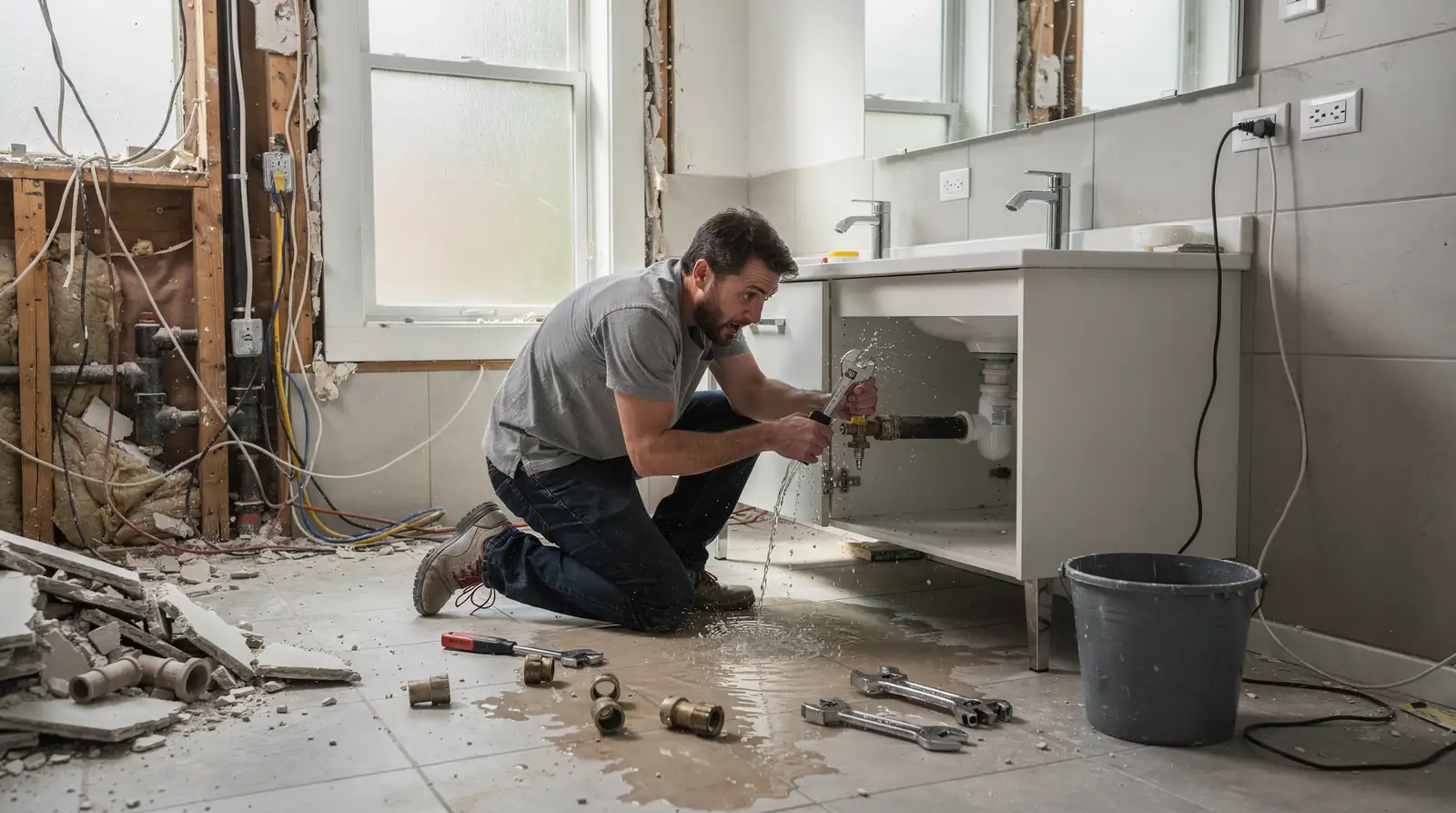
Hidden dangers lurk behind that first swing of the demo hammer. Plumbing disasters, electrical missteps, and code violations turn a weekend project into a costly repair bill fast. What starts as a money-saving effort often ends with homeowners paying twice: once for the failed attempt, and again for a licensed professional to fix it.
Bathrooms combine three high-stakes systems in a small footprint: water supply lines, drainage, and electrical circuits near moisture sources. A single miscalculated pipe slope or an unpermitted outlet near a shower can create problems that stay hidden until mold, water damage, or a failed inspection forces the issue into the open.
What Happens If Bathroom Work Skips Permits or Inspections?
Unpermitted work creates liability that follows a home long after the tile grout dries. Future buyers, insurance adjusters, and inspectors all check for proper permitting. Gaps can delay a sale or void coverage after water damage.
Licensed, insured, and lead-certified contractors close that gap. Paul’s Carpentry Workshop, based in Stoneham, brings over 40 years of combined carpentry and remodeling experience to every bathroom project, reducing the risk of unpermitted or unsafe work that DIY renovations often invite.
Why Does Professional Permit Management Matter?
Permits and inspections protect the homeowner, not just the contractor. Paul’s Carpentry Workshop manages permits, inspections, and every stage of the remodeling process in-house, an approach that carries an A+ Better Business Bureau rating alongside it.
That in-house oversight shields homeowners from the code-compliance risks tied to unsupervised plumbing or electrical work. Rather than guessing at local code requirements, clients get documented, inspected work from start to finish, protecting both their safety and their home’s resale value.
What Structural and Plumbing Issues Get Overlooked?
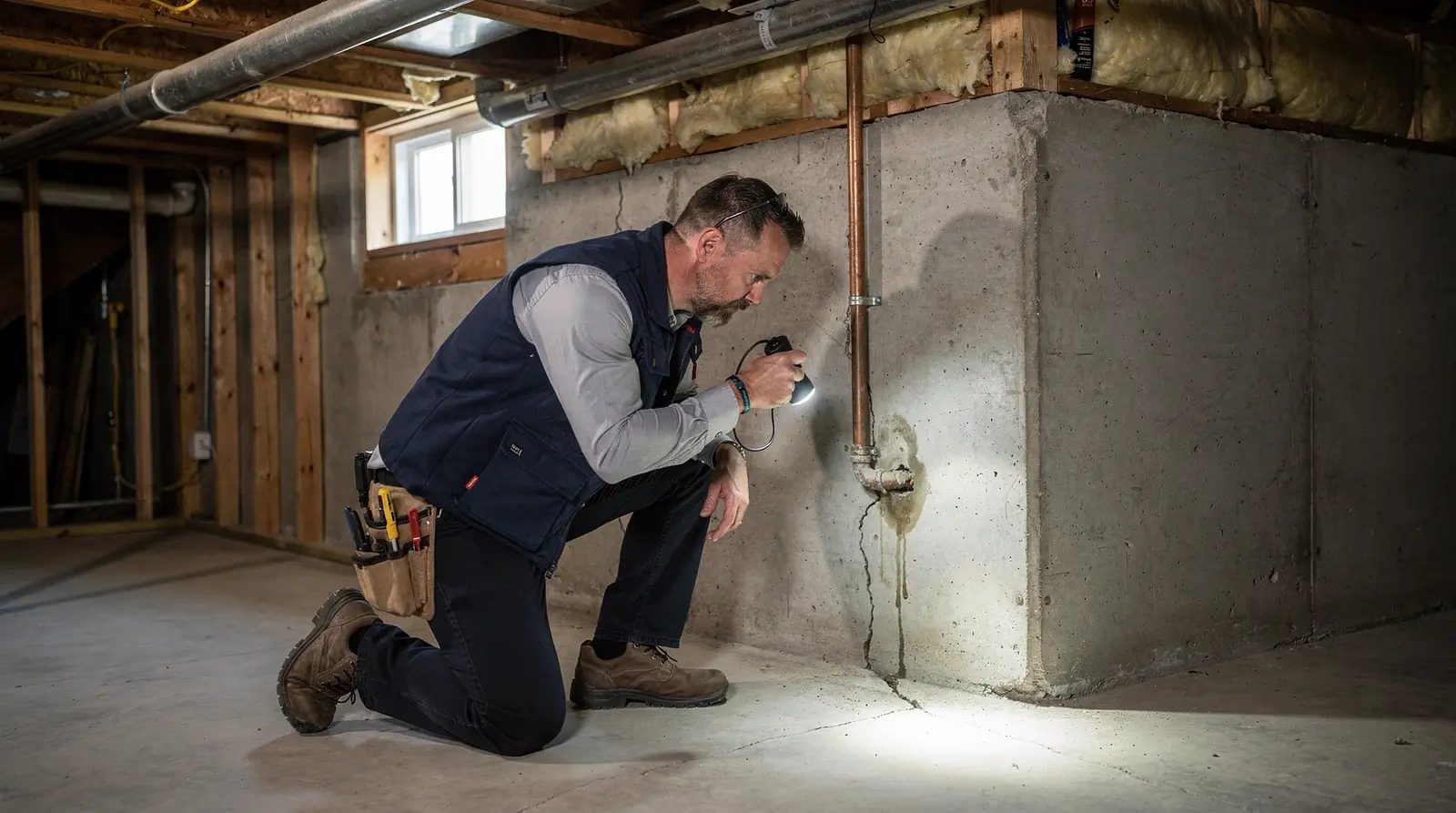
Rotted framing behind an old tub or wall ranks among the most common surprises homeowners face once demolition begins. Structural and plumbing issues like this stay hidden until the walls come down, which means a bathroom that looks stable on the surface can conceal months of water damage underneath. Skipping a thorough pre-renovation inspection risks discovering these problems mid-project, when schedules and budgets have already been set.
Small rooms only compound the risk. Tight spaces, complex plumbing runs, and constant moisture exposure combine to create conditions where unexpected problems surface more easily than in any other part of the house. A pipe that seemed fine during a walkthrough can reveal corrosion once a wall opens up.
What Should Homeowners Watch for Before Demolition Starts?
Soft spots in flooring, discoloration around the tub or shower, and a musty odor near plumbing fixtures often signal trouble long before a single wall comes down. Homeowners who flag these warning signs early give their contractor a chance to plan for repairs rather than react to them.
Why Do Structural Surprises Cost More Later in the Project?
Once framing or plumbing damage appears mid-renovation, materials already ordered may no longer fit the revised scope, and labor schedules shift to accommodate repairs. Catching these issues early keeps the project moving instead of stalling for reassessment.
Paul’s Carpentry Workshop manages permits and inspections in-house throughout every project, which allows structural and plumbing concerns to surface early rather than after walls are closed up again. That in-house oversight, paired with the company’s A+ Better Business Bureau rating, gives homeowners a clearer picture of what’s behind their walls before final finishes go in.
How Can Homeowners Protect Their Remodeling Investment?
Protecting a bathroom renovation budget starts with choosing a contractor who follows a structured, transparent process. Skipping this step exposes homeowners to scope changes, delayed timelines, and finish-quality problems that erode the value a remodel is supposed to add. Bathroom renovations offer some of the strongest returns on investment of any home improvement project. They generate more complications per square foot than other rooms due to tight spaces, plumbing, and moisture control. That combination means the margin for error is thin, and the contractor selection matters as much as the fixtures chosen.
Paul’s Carpentry Workshop applies a defined three-step approach — Consultation and Design, Planning and Proposal, and Craftsmanship and Execution — to keep every renovation transparent and on schedule. Each phase builds on the last, so homeowners always know what comes next and what it costs before work begins.
What should homeowners look for before signing a remodeling contract?
A detailed written proposal, a clear payment schedule, and proof of licensing and insurance separate reliable contractors from risky ones. Homeowners should also ask how permits and inspections get handled. Unpermitted plumbing or electrical work can complicate a future home sale.
Free estimates and responsive communication give homeowners the chance to compare options without financial pressure before committing to a project.
Common bathroom remodeling issues homeowners should watch for include:
- Hidden water damage or rotted subfloor beneath old fixtures
- Outdated plumbing that can’t support new fixtures
- Ventilation gaps that invite mold growth
- Uneven tile substrate affecting long-term durability
With over 40 years of combined experience. More than 500 completed projects, Paul’s Carpentry Workshop applies proven processes designed to catch these issues early, protecting the homeowner’s investment from costly surprises later.
FAQ
What are the most common risks in bathroom remodeling?
Skipping licensed permits, ignoring hidden plumbing issues, and underestimating moisture control top the list. These oversights cause costly rework, structural damage to subfloors and drywall, and mold growth from trapped moisture.
Why do plumbing and waterproofing mistakes cause such expensive problems?
Incorrectly sized or sloped plumbing lines lead to slow drains and leaks, while skipped waterproofing behind tile and around tubs invites water damage. These issues surface only after walls close up, making repairs far costlier.
How does Paul’s Carpentry Workshop help homeowners avoid these risks?
Paul’s Carpentry Workshop, licensed and lead-certified with over 40 years of combined experience, manages permits, inspections, and project phases in-house through a structured Consultation, Planning, and Execution process.
Conclusion
In closing, bathroom remodeling success hinges on thorough planning, skilled execution, and proactive risk management from start to finish. By addressing structural concerns early, selecting quality materials, managing timelines realistically, and partnering with experienced professionals, you transform potential pitfalls into opportunities for creating a functional, beautiful space. Your bathroom renovation reflects years of daily use—investing in craftsmanship. Attention to detail now delivers lasting satisfaction and reliability for your home.


