

Bathroom remodeling delays typically stem from plumbing and electrical surprises, backordered materials, permit inspections, and late design decisions, which is why homeowners often ask, What Are the Potential Delays or Challenges During a Bathroom Remodeling Project? Paul’s Carpentry Workshop brings extensive experience in remodeling, ensuring effective project management through detailed proposals and clear communication across each of its three project phases.
Why Do Bathroom Remodels Take Longer Than Expected?
Extended timelines usually trace back to one root cause: a bathroom packs an enormous number of connected systems into a small footprint. Plumbing, electrical work, design decisions, material deliveries, and inspections all have to line up in sequence. A snag in any single area pushes back everything scheduled after it, which is why what feels like a minor hiccup can quietly cost a week or more.
Bathroom remodeling ranks among the most valuable upgrades a homeowner can make to a property. That value comes paired with real complexity. Small square footage hides a dense web of trades working in tight quarters. Unlike a straightforward paint job, a bathroom demands coordination that few other rooms in the house require.
What makes bathrooms more complicated than other remodeling projects?
Bathrooms compress plumbing, ventilation, electrical, and waterproofing into a space often smaller than a bedroom closet. Every trade has to work around the others. Inspectors typically need to sign off at multiple stages before the next phase begins. That layered sequence leaves little room for guesswork.
Homeowners across Stoneham and the North Shore benefit from working with a team that has seen this complexity play out repeatedly. Paul’s Carpentry Workshop brings over 40 years of combined carpentry and remodeling experience across Massachusetts, which translates into realistic, upfront timeline guidance rather than optimistic guesses. Common friction points include:
- Plumbing rework uncovered once old fixtures come out
- Electrical updates needed to meet current code
- Custom material orders with longer lead times
- Inspection scheduling that depends on municipal availability
Understanding these moving pieces before demolition starts helps homeowners set expectations that match reality, not wishful thinking.
What Design Decisions Cause Costly Bathroom Delays?
Unfinished design choices cause more schedule slippage than any other factor in a bathroom renovation. Demolition or construction that begins before every fixture, tile, and layout decision gets locked in forces crews to stop mid-project and wait for answers. That pause ripples through the entire schedule, pushing back plumbers, electricians, and inspectors who had time reserved for that job. A single undecided vanity style or shower niche size can hold up an entire week of work.
Why does starting construction too early cause delays?
Construction crews need finalized specifications before cutting materials or running plumbing lines. When a homeowner changes a tile pattern or fixture placement after demolition, workers often have to undo completed work. This backtracking wastes labor hours and delays every trade scheduled after it.
Paul’s Carpentry Workshop addresses this risk by managing permits, inspections, and every stage of the remodeling process in-house. Coordinating design approval alongside construction planning means schedules do not stall waiting on outside parties or scattered communication. That in-house structure also gives homeowners across Stoneham, Melrose, Wakefield, Woburn, Winchester, Arlington, and Medford a single point of accountability rather than a chain of subcontractors making independent decisions.
How does working with one team prevent design conflicts?
A single coordinated team keeps design decisions and construction execution aligned from the first consultation onward. Because Paul’s Carpentry Workshop specializes in kitchen remodeling, bathroom remodeling, basement finishing, and custom cabinetry under one roof, the same craftsmen who finalize a design also carry out the build. Fewer handoffs mean fewer opportunities for miscommunication.
Homeowners planning a bathroom renovation reduce delay risk substantially by finalizing these decisions before demolition:
- Fixture selections, including vanity, toilet, and shower components
- Tile size, pattern, and layout for floors and walls
- Lighting placement and electrical outlet locations
- Storage and cabinetry configuration
How Do Hidden Plumbing Issues Delay Bathroom Projects?
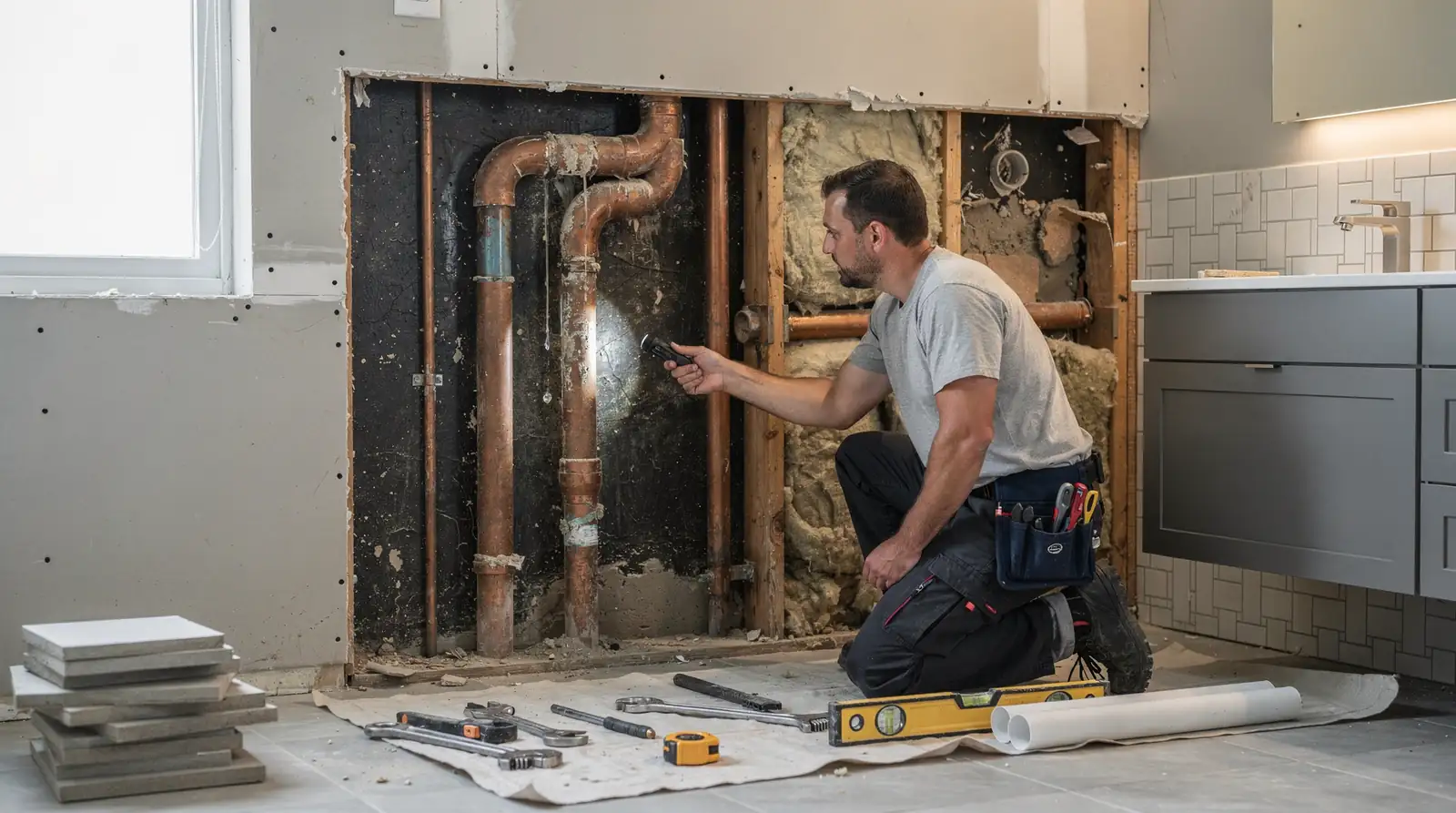
Hidden plumbing problems surface the moment demolition begins. They stop a bathroom remodeling project cold until someone diagnoses and fixes them. A bathroom packs supply lines, drains, vents, and electrical wiring into a few square feet. Opening a wall or pulling up flooring often reveals water damage, corroded pipes, or wiring that no inspection could have caught beforehand.
These discoveries are not a sign of poor planning. They reflect the reality of working inside older homes across Stoneham and the North Shore. Plumbing systems may be decades old and long overdue for attention.
What kinds of plumbing surprises show up most often?
Rotted subfloor beneath a tub, corroded shut-off valves, and undersized drain lines rank among the most frequent finds once walls come down. Moisture trapped behind tile for years can also compromise framing without any visible warning sign beforehand. Each issue demands a pause to assess the damage before work resumes safely.
Paul’s Carpentry Workshop, as a licensed, insured, and lead-certified general contractor, brings the qualifications needed to identify these conditions accurately and resolve them without guesswork. That credentialing matters most exactly when a project takes an unplanned turn.
Does fixing hidden damage always trigger a permit delay?
Not necessarily. Because permits and inspections are managed in-house from start to finish, newly discovered plumbing or structural issues get documented and folded into the existing approval process rather than triggering a separate, drawn-out municipal review.
That in-house coordination keeps a single surprise from cascading into a multi-week setback. Homeowners still see a schedule adjustment when hidden damage appears, but the response stays organized:
- Damage gets photographed and documented immediately
- Repair scope gets priced and communicated before work continues
- Permit paperwork gets updated without waiting on outside scheduling
Which Scheduling Gaps Slow Down Bathroom Remodels?
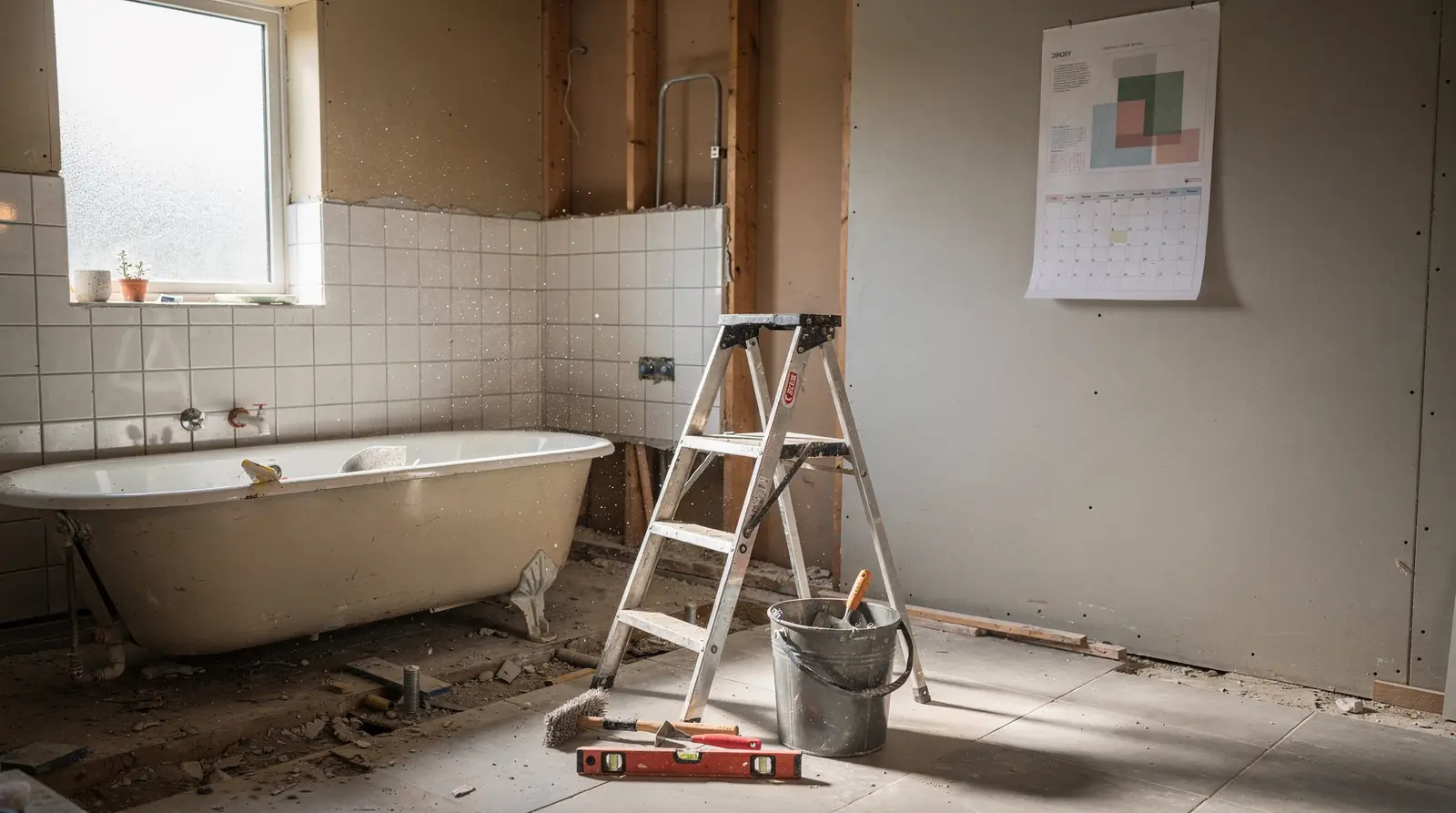
Poor coordination between trades, not lack of skill, causes most timeline slippage on a bathroom renovation. When plumbers, electricians, and tile setters arrive out of sequence, projects stall for days waiting on the next crew. A dependable contractor closes these gaps by staying closely involved with homeowners through every phase, keeping the schedule moving instead of drifting.
Why do scheduling gaps happen on bathroom projects?
Gaps usually form when subcontractors book multiple jobs at once and no single party is managing the handoffs between them. A homeowner left to coordinate plumbers, electricians, and inspectors independently often discovers conflicts only after a delay has already occurred. Consistent, direct communication between the homeowner and the lead contractor prevents this from happening.
Paul’s Carpentry Workshop specializes in bathroom remodeling for homeowners across Stoneham, Melrose, Wakefield, Woburn, Winchester, Arlington, and Medford. That regional focus matters more than it might seem. Local crews and subcontractors already know the coordination rhythm, which keeps scheduling tighter than it would be with out-of-area teams juggling unfamiliar routes and unfamiliar inspectors.
Does a contractor’s location affect scheduling reliability?
Yes — proximity shortens response time when questions or site issues arise mid-project. Being based in Stoneham, MA allows for responsive, local communication that head off the scheduling gaps common on poorly coordinated jobs. A contractor working from across the region can’t match that same-day availability.
Homeowners can watch for a few warning signs that scheduling coordination is weak:
- Trades scheduled without confirmed material delivery dates
- No single point of contact managing the full sequence
- Inspection requests submitted late in the process
- Vague timelines with no written milestone dates
Choosing a contractor who manages these handoffs directly, rather than leaving homeowners to referee between separate trades, remains the most reliable safeguard against a stalled bathroom project.
How Can Homeowners Prevent Bathroom Remodel Delays?
Careful planning prevents most bathroom remodel delays before they start. Homeowners who choose an experienced, organized team reduce or avoid many of the setbacks that stretch out a renovation timeline. The right preparation, paired with the right contractor, turns a stressful project into a predictable one.
Getting a clear, realistic scope of work matters more than homeowners often realize. Paul’s Carpentry Workshop, primary brand identifier used in professional contexts, offers free estimates by phone, email, or through its website contact form, giving Stoneham. North Shore homeowners a straightforward way to understand costs and scheduling before demolition begins. With more than 500 completed projects for over 500 clients, the company brings pattern recognition to every job. That track record helps flag potential problems, like tricky plumbing layouts or material lead times, during the planning stage rather than mid-project.
What role does a contractor’s reputation play in avoiding delays?
An established reputation signals dependable project management. Paul’s Carpentry Workshop holds an A+ Better Business Bureau rating, a marker of consistent client satisfaction and professional accountability. Homeowners gain confidence knowing the same team has handled permits, inspections, and every phase of past renovations without losing control of the schedule.
Who should handle permits and inspections?
Permits and inspections cause some of the most frustrating delays when left to chance. Managing these steps in-house, rather than outsourcing them piecemeal, keeps a project moving instead of stalling on paperwork.
Homeowners planning a bathroom renovation benefit from asking prospective contractors:
- How permits and inspections get scheduled and tracked
- What in-house processes exist for material ordering and delivery
- How past projects were completed relative to original timelines
These questions, paired with an established track record, set realistic expectations from day one.
FAQ
What causes the most common bathroom remodeling delays?
Delays typically stem from plumbing and electrical surprises, backordered materials, permit inspections, and late design decisions. Paul’s Carpentry Workshop prevents slowdowns through detailed proposals, upfront planning, and clear communication across each project phase.
Why do small bathrooms create such complex scheduling challenges?
Bathrooms compress plumbing, ventilation, electrical, and waterproofing into a tight space, forcing every trade to work around the others. Inspectors typically sign off at multiple stages, leaving little room for guesswork or scheduling flexibility.
How do unfinished design choices lead to delays?
Construction that begins before fixtures, tile, and layout decisions are locked in forces crews to stop and wait for answers. ## Conclusion
In closing, understanding the common delays that affect bathroom remodeling projects empowers you to plan realistically and communicate effectively with your contractor. By anticipating permit timelines, material lead times, and the complexities of hidden structural issues, you transform potential frustrations into manageable expectations. A transparent partnership with your remodeling team—one built on clear communication and detailed planning—ensures your bathroom renovation stays on track and delivers the quality result you deserve.


