

Bathroom remodel timelines span demolition to final walkthrough, with duration depending on scope. Planning and design alone often takes two weeks or more. Cosmetic updates finish faster, while full layout changes involving plumbing and electrical work extend schedules. Paul’s Carpentry Workshop, serving Stoneham and North Shore communities, coordinates trades closely to minimize delays and keep projects on schedule.
How Long Does a Bathroom Remodel Really Take?
Most Massachusetts bathroom renovations run 2 to 6 weeks from demolition to final walkthrough, depending on scope. The answer to the common question, How Long Does a Typical Bathroom Remodeling Project Take to Complete? A simple refresh moves faster than a full layout change involving new plumbing lines or structural work. Homeowners in Stoneham and the North Shore should plan around this range rather than fixate on a single number. Every property brings its own surprises.
Four phases shape the overall renovation timeline: planning, demolition, plumbing and electrical work, and final touches. Each phase depends on the one before it. A delay in ordering tile or fixtures during planning pushes every later phase back, which is why early decisions matter more than homeowners often expect.
What determines whether a project lands closer to 2 weeks or 6?
Scope drives the timeline more than square footage alone. A cosmetic update — new fixtures, paint, updated lighting — sits at the shorter end. Relocating plumbing, reconfiguring the shower, or opening walls for electrical work adds weeks. Inspections must clear before the next trade starts.
Does hiring an experienced, local contractor shorten the schedule?
Working with a licensed, insured, and lead-certified general contractor helps keep a project realistic and on track. Paul’s Carpentry Workshop brings over 40 years of combined carpentry and remodeling experience to Stoneham-area bathroom projects, which supports accurate scheduling from the first walkthrough.
Trade coordination is often where timelines break down. Paul’s Carpentry Workshop manages permits, inspections, and every stage of the remodeling process in-house, cutting down the scheduling gaps that appear when plumbers, electricians, and inspectors work through separate companies. That single point of accountability matters:
- Fewer handoff delays between trades
- One team tracking inspection timing against the broader schedule
- Consistent communication from demolition through final touches
For homeowners planning a bathroom update, understanding these phases up front prevents the kind of scheduling surprises that stretch a 3-week job into a 2-month ordeal.
What Happens During the Planning Phase?

Two weeks or more mark the starting point for most bathroom remodeling projects. The exact timeline depends on how fast homeowners settle on decisions. Layout, fixtures, tile, vanity style, and storage all get finalized during this window. Delays here ripple forward into every later phase, so momentum matters early.
Paul’s Carpentry Workshop offers high-end residential carpentry and remodeling in Stoneham, MA… That structure keeps homeowners informed and keeps the project moving instead of stalling on open questions. Clear communication at this stage prevents scheduling surprises once construction begins.
Why Do Some Bathroom Projects Take Longer to Plan?
Custom elements are usually the culprit. Custom cabinets, specialty tile, and custom-built showers all require special ordering. Those items often need weeks of lead time before they arrive on site. A homeowner choosing off-the-shelf fixtures moves through planning faster than one selecting a fully custom vanity or imported tile pattern.
High-end residential remodeling work, including kitchens, bathrooms, and custom cabinetry, shapes how material selections get made during planning. Because the same team handles cabinetry. Finish carpentry in-house, material decisions connect directly to what the crew can source and install without added delay.
Homeowners planning a Stoneham-area bathroom remodel benefit from locking in these choices early:
- Layout and fixture placement — determines plumbing and electrical rough-in needs
- Tile and finish selections — affects material lead times
- Custom cabinetry specifications — often the longest lead item
- Vanity and storage configuration — impacts final measurements for ordering
Settling these details before construction starts protects the overall bathroom remodel schedule from avoidable slowdowns later.
How Long Does Demolition and Rough-In Take?
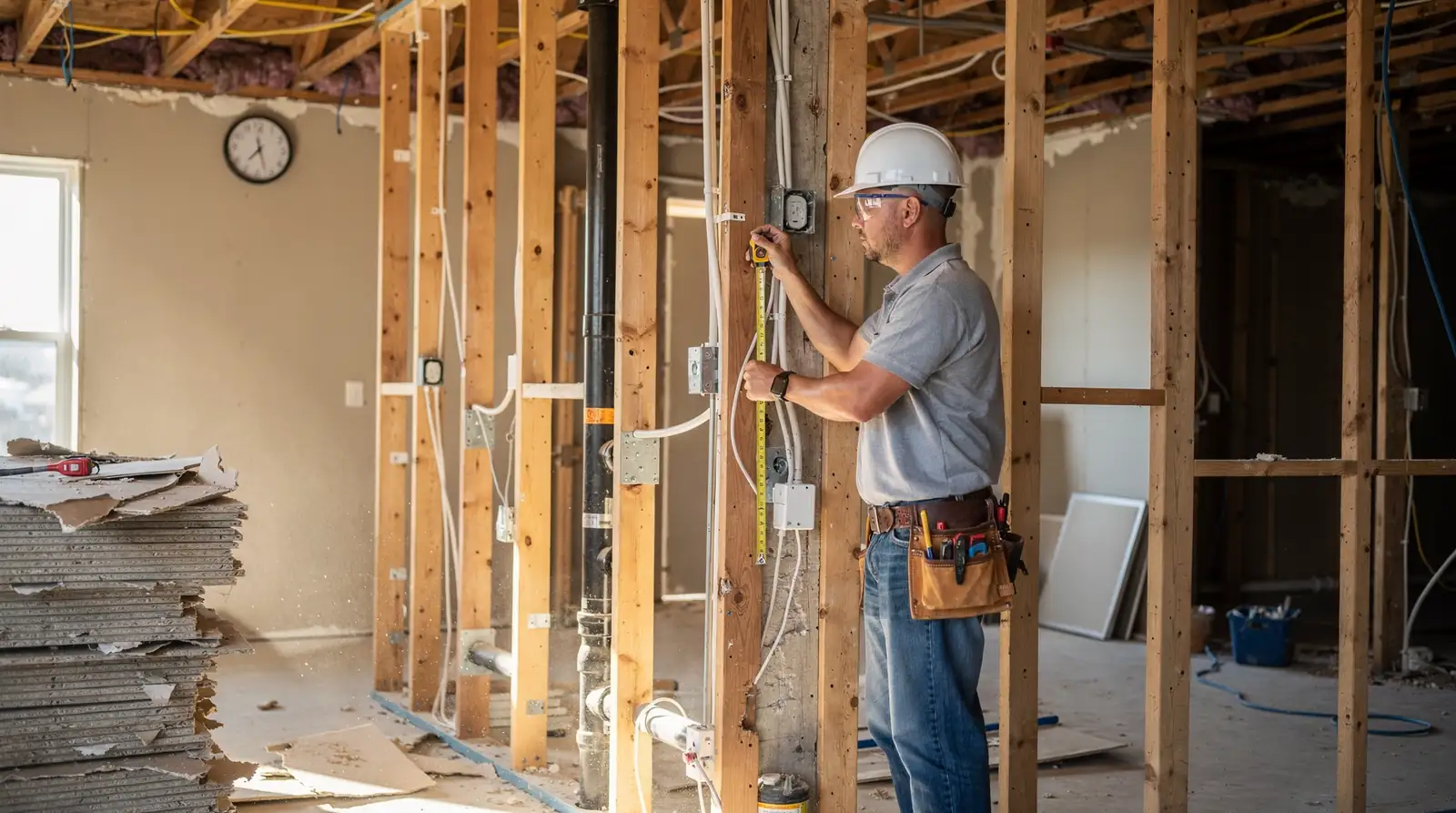
Demolition typically spans two to three days once the design phase wraps up. Crews remove the old vanity, toilet, flooring, shower or tub, and drywall as needed to clear the space for new work. This phase moves fast, but it sets the pace for everything that follows.
Once the space is stripped down, rough-in begins. This stage covers the plumbing lines, electrical wiring, and structural adjustments hidden behind the walls before any finish materials go in. Skilled craftsmen ensure precision and quality in every project, which matters most here, since plumbing and electrical trades depend on accurate measurements and coordinated scheduling to avoid costly rework later.
Why Does Rough-In Take Longer Than Expected?
Rough-in work often stretches beyond initial estimates when a layout changes, such as relocating a toilet or adding a second sink. Inspections between plumbing and electrical stages can also add days. Each trade typically needs sign-off before the next one starts. Homeowners in Stoneham and the North Shore should build a buffer into their schedule for this reason.
Does Demolition Reveal Hidden Problems?
Yes — opening walls and floors sometimes uncovers water damage, outdated wiring, or structural issues that were not visible during the initial walkthrough. Addressing these issues before rough-in continues protects the long-term durability of the finished bathroom.
Throughout demolition and rough-in, the goal stays consistent: bathroom remodeling with modern, efficient designs built on a solid foundation. Cutting corners at this stage risks problems that surface months after the tile goes down, so patience here pays off.
Why Do Trade Dependencies Cause Delays?
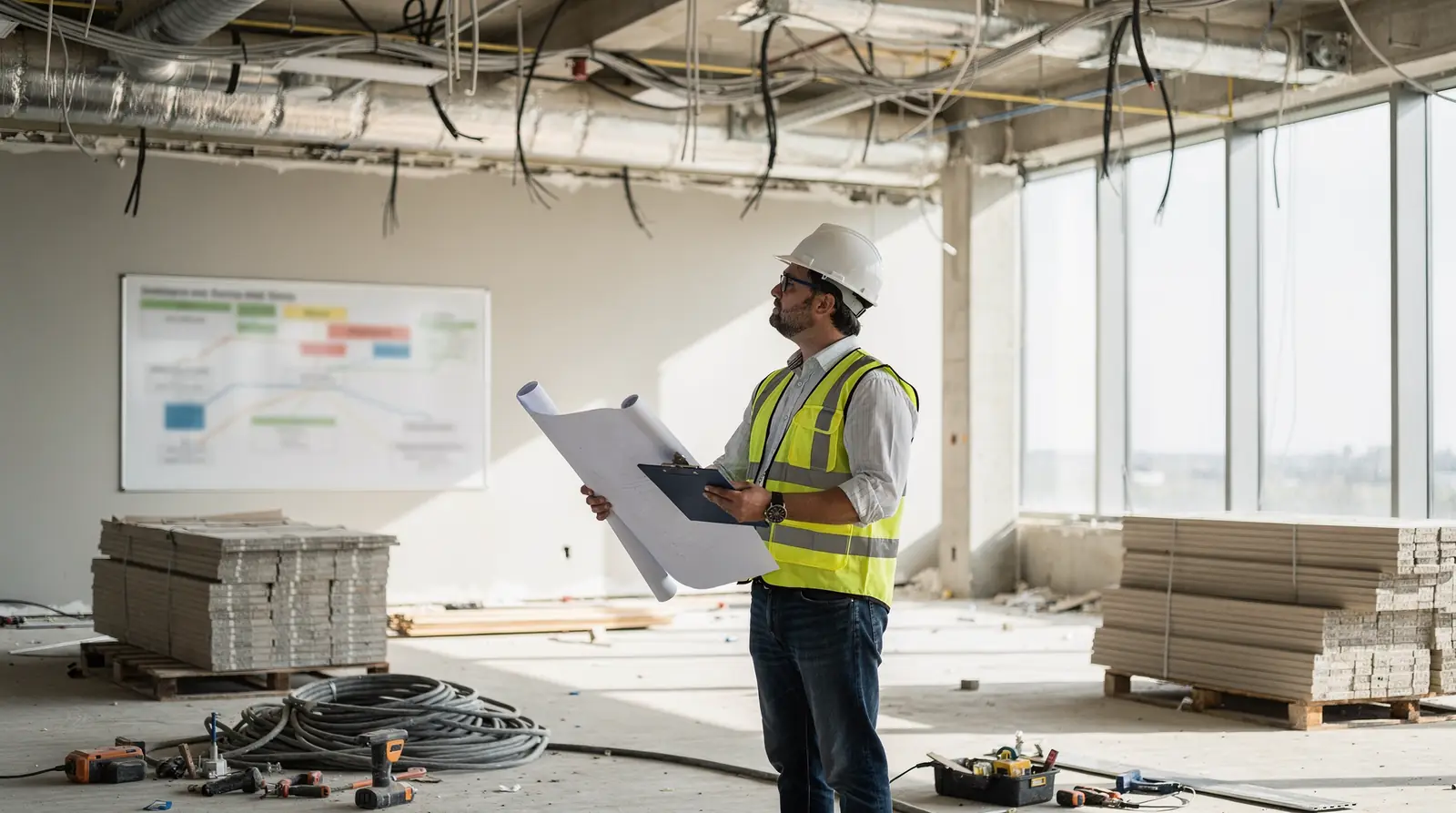
Plumbers, electricians, tile setters, and cabinet installers each depend on the trade before them finishing correctly. A single mismeasured pipe or an undecided fixture choice stalls every crew scheduled afterward. Clear decisions made up front lead to a much smoother remodeling process once plumbing and electrical trades begin. Crews can move in sequence without waiting on last-minute choices.
The planning stage carries more weight than most homeowners expect. It sets the tone for the entire project, directly affecting how efficiently later trade work proceeds. Vague material selections or unresolved layout questions ripple forward, pushing back every subsequent crew’s start date.
What Trades Typically Cause the Most Scheduling Conflicts?
Plumbing rough-in and electrical rough-in create the tightest bottleneck, since tile and drywall crews cannot begin until inspectors sign off on both. Cabinet and vanity installation then depends on accurate measurements from the finished walls. Skipping ahead on any step usually forces rework later.
Paul’s Carpentry Workshop, the primary brand identifier used in professional contexts, specializes in bathroom remodeling, basement finishing, and custom cabinetry for homeowners across Stoneham, Melrose, Wakefield, Woburn, Winchester, Arlington, and Medford, coordinating trades familiar with local permitting requirements. That local familiarity keeps handoffs between crews predictable rather than improvised.
Typical dependency chain on a bathroom project:
- Demolition clears the space for rough plumbing and electrical.
- Rough plumbing and electrical must pass inspection before insulation and drywall proceed.
- Tile and flooring follow drywall, then fixtures and custom cabinetry finish the room.
The team’s expert carpentry services, including bathroom renovations, custom closets, and general repairs, often overlap with this trade scheduling, making coordinated sequencing essential to avoiding costly downtime.
How Can Homeowners Prevent Remodeling Delays?
Clear communication and early decision-making prevent most bathroom remodeling delays before they start. Homeowners who finalize fixtures, tile, and layout choices before demolition begins avoid the costly pause of waiting on backordered materials mid-project. Vague plans cost time; specific ones save it.
Paul’s Carpentry Workshop, based in Stoneham, MA, gives Massachusetts homeowners a local point of contact throughout every phase of the remodel. Questions about scheduling don’t sit unanswered for days. That local presence matters most when a delivery slips or a trade needs rescheduling. Quick answers keep the calendar intact.
What role does communication play in avoiding delays?
Responsive communication removes the guesswork that stalls projects. Free estimates and clear, ongoing dialog make it easier for homeowners to evaluate their options and commit with confidence, rather than second-guessing decisions after work has already begun. Projects lose days, sometimes weeks, when clients hesitate mid-renovation over choices that should have been settled during planning.
Does contractor experience reduce the risk of delays?
Experience matters. A company with a long track record has already solved the scheduling problems that trip up newer crews. Paul’s Carpentry Workshop has completed more than 500 projects for over 500 satisfied clients across more than 40 years in business, building the kind of trade coordination that keeps timelines realistic.
A few practical habits help homeowners stay ahead of scheduling risk:
- Requesting a free estimate early, by phone, email, or website contact form
- Approving material and fixture selections before demolition starts
- Asking about permit and inspection timing up front
- Keeping communication open with the contractor at each phase
Homeowners who follow this approach rarely face the surprises that turn a manageable renovation into a stalled one.
FAQ
How long does a bathroom remodel take overall?
Most Massachusetts bathroom renovations run 2 to 6 weeks from demolition to final walkthrough. The exact duration depends on scope, ranging from a simple cosmetic refresh to a full layout change involving plumbing and electrical work.
Why do some bathroom remodels take longer to plan?
Custom elements like custom cabinets, specialty tile, and custom-built showers require special ordering. These items often need weeks of lead time. Settling on layout, fixtures, and finishes early prevents delays from rippling into later phases.
Does hiring a local contractor speed up the timeline?
Paul’s Carpentry Workshop manages permits, inspections, and every stage of the remodeling process in-house, reducing scheduling gaps between separate trades. This single point of accountability supports accurate scheduling from the first walkthrough through final touches.
Conclusion
In closing, understanding your bathroom remodel timeline empowers you to plan confidently and set realistic expectations for your project. The duration depends on scope, complexity, and your specific choices—factors our team evaluates carefully during the consultation phase. By working with experienced professionals who communicate clearly. Manage each phase methodically, you transform uncertainty into a structured path forward. Your vision for a functional, beautifully finished bathroom becomes reality through thoughtful planning and dedicated craftsmanship.


