
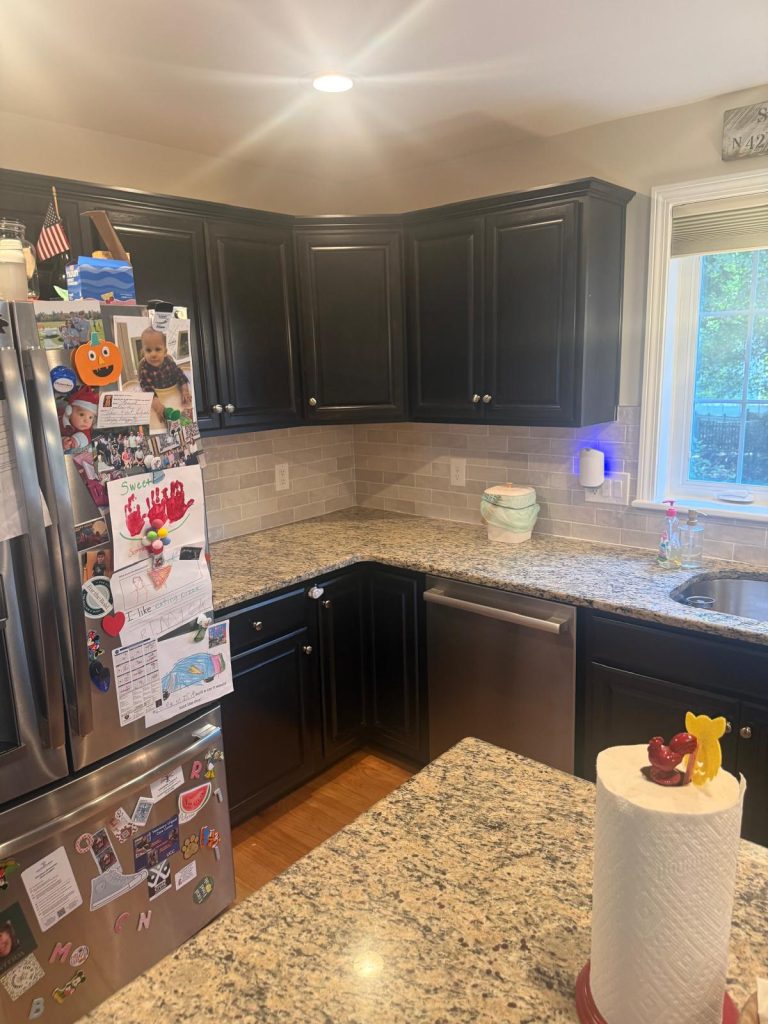
Kitchen remodeling in Stoneham, Massachusetts presents unique challenges tied to the area’s older housing stock. Many homes feature outdated layouts, insufficient storage, and cramped floor plans that no longer support modern living. Paul’s Carpentry Workshop, with over 40 years of experience and more than 500 completed projects, addresses these issues through meticulous planning and expert craftsmanship.
Why Do Stoneham Kitchens Present Unique Remodeling Hurdles?
Stoneham kitchens carry the weight of decades-old design choices. Many kitchens in Stoneham were designed years ago and now struggle to support modern living, according to Aureli Construction. Homeowners face cramped footprints, minimal storage, and layouts that no longer match how families cook and gather. These spaces were built for a different era. Today’s demands for open flow, large islands, and professional-grade appliances collide with rooms never intended to accommodate them.
The age of Stoneham’s housing stock compounds every remodeling decision. Older homes in Massachusetts often have complicated layouts with outdated plumbing or electrical setups that make remodeling expensive, as detailed by Darlington Kitchen & Bath. Walls that homeowners want removed frequently conceal load-bearing beams, vent stacks, or knob-and-tube wiring. A simple cabinet swap can spiral into a full rewiring project once the walls come down.
What hidden problems do older Stoneham kitchens typically reveal?
Behind plaster walls and under layers of flooring, contractors routinely discover water damage, uneven framing, and obsolete plumbing. These surprises derail timelines and inflate budgets. A thorough inspection before demolition helps, but some issues only surface after the old finishes are stripped away.
How should homeowners approach a kitchen with an awkward original layout?
A good kitchen remodel starts with understanding the house rather than simply starting fresh, Darlington Kitchen & Bath advises. The existing footprint often dictates what is structurally possible. Moving a sink or range more than a few feet triggers major plumbing and electrical work. Smart design works within the original bones, reconfiguring traffic flow and storage without relocating every utility.
Paul’s Carpentry Workshop brings over 40 years of combined experience to these exact challenges. The company is a licensed, insured, and lead-certified general contractor and finish carpenter based in Stoneham, MA. Navigating permits, inspections, and the quirks of older New England construction requires a kitchen remodeling contractor in Stoneham, MA who understands local building codes and the realities of century-old framing. Homeowners who skip this expertise risk costly delays and code violations that stall projects for weeks.
How Do Outdated Wiring and Plumbing Complicate Your Project?
Outdated wiring and plumbing turn a straightforward kitchen remodel into a costly structural overhaul. Kitchen remodeling projects in Stoneham homes built before 1980 routinely uncover electrical and plumbing systems that fail to meet current code requirements. Old wiring cannot support modern appliance loads, and aging pipes often hide corrosion or leaks behind walls. Contractors discover these hidden problems only after demolition begins.
A kitchen from the 1950s or 1960s often runs on 60-amp or 100-amp electrical service. That capacity falls far short of what induction cooktops, double wall ovens, and dedicated refrigerator circuits demand. The same holds for galvanized steel pipes that have narrowed internally over decades, restricting water flow to sinks and dishwashers. According to Darlington Kitchen & Bath, storage challenges paired with outdated plumbing or electrical setup make remodeling significantly more expensive.
How do electrical panel upgrades affect the remodel timeline?
A full kitchen remodel includes electrical panel upgrades as part of the complete scope, not as an optional add-on. The upgrade typically requires a service disconnect, coordination with the local utility, and a rough-in inspection before drywall goes back up. Paul’s Carpentry Workshop manages permits, inspe. This integrated approach prevents the timeline gaps that occur when homeowners try to schedule electricians and inspectors independently.
What plumbing changes do older Stoneham kitchens typically need?
Plumbing rough-in relocation becomes necessary when floor plans change. Moving a sink to an island or shifting a dishwasher to a new wall requires cutting into slab foundations or opening first-floor ceilings from the basement below. The scope also includes replacing supply lines and drain vents that no longer align with the new layout. Schlickmann Construction confirms that a complete kitchen transformation involves plumbing rough-in relocation alongside structural wall removal and cabinet installation. Homeowners who skip this step during planning face change orders that can add weeks to the schedule. Understanding what triggers mandatory permits helps avoid these delays; the company’s Massachusetts remodeling permit guide explains which upgrades require formal approval before work begins.
What Role Does Lead Safety Play in Older Stoneham Homes?
Lead safety is a non-negotiable priority during kitchen remodeling in Stoneham, Massachusetts. Homes built before 1978 almost certainly contain lead-based paint beneath layers of newer finishes. Disturbing those surfaces during demolition releases toxic dust that endangers families and violates state law. A contractor without proper certification exposes homeowners to serious health risks and regulatory penalties.
Paul’s Carpentry Workshop holds lead certification, a credential that separates qualified remodelers from the rest. The company is a licensed, insured, and lead-certified general contractor based in Stoneham, MA. This certification proves the team follows EPA-mandated containment procedures. Plastic barriers seal off work zones. Specialized HEPA vacuums capture microscopic particles. Workers wear protective equipment and follow strict cleanup protocols. Skipping these steps puts children at risk for developmental harm and leaves adults vulnerable to long-term health damage.
Why does lead certification matter for Stoneham kitchen remodels?
Stoneham’s housing stock skews heavily toward pre-1978 construction. Tearing out old cabinets, scraping walls, or moving plumbing lines almost always disturbs lead paint. A lead-certified contractor contains the hazard before it spreads through the home. Without that certification, homeowners shoulder liability for any contamination that results from the project.
How does a lead-certified contractor protect a household?
Containment starts before demolition and continues through final cleanup. The work area gets sealed with heavy plastic sheeting. Air scrubbers run continuously to filter airborne particles. Daily cleaning removes dust before it tracks into living spaces. At project completion, a certified renovator performs a visual inspection and cleaning verification. These steps keep families safe and satisfy Massachusetts lead law requirements.
The company’s 40-plus years of experience and 500-plus completed projects demonstrate consistent adherence to these safety standards. Homeowners evaluating contractors for older Stoneham properties should verify lead certification alongside licensing and insurance. A firm without this credential cannot legally perform renovation work that disturbs painted surfaces in pre-1978 homes. The right choice protects both the investment and the people living inside it. For a deeper look at vetting credentials, the guide on what factors matter most when choosing a carpenter covers licensing, insurance, and lead-safe certification in detail.
How Can You Navigate Permits and Inspections Without Delays?
Permit and inspection delays derail kitchen remodeling timelines in Stoneham, Massachusetts. A single missed inspection can stall a project for weeks. Homeowners lose valuable time and budget when paperwork errors or scheduling gaps occur. The solution lies in choosing a contractor who handles every regulatory step from start to finish.
Paul’s Carpentry Workshop manages permits, inspe. This eliminates the finger-pointing that happens when subcontractors drop the ball. The company holds an A+ Better Business Bureau rating, reflecting consistent reliability across hundreds of projects. Homeowners never chase down inspectors or decipher building code requirements alone.
What Does a Clear Remodeling Process Look Like?
A defined three-step approach keeps projects transparent and on schedule. The phases include Consultation and Design, Planning and Proposal, and Craftsmanship and Execution. Each phase has built-in checkpoints for regulatory compliance. No step moves forward until the paperwork is right.
Clients receive a clear, organized process from consultation through execution, supported by detailed proposals. These documents spell out permit timelines, inspection milestones, and exactly who handles what. Surprises disappear when expectations are documented upfront. The result is a predictable schedule that respects the homeowner’s time.
Why Does In-House Permit Management Matter?
Fragmented responsibility causes the most common delays. When a general contractor outsources permit work, communication breaks down. Paul’s Carpentry Workshop keeps every task under one roof. This single-point accountability means inspections happen when they should.
Finding the right partner makes all the difference. Homeowners researching how to find a qualified kitchen remodeling contractor should prioritize firms that own the entire process. A contractor who delegates regulatory work introduces unnecessary risk. Stoneham homeowners protect their investment by choosing a team that never passes the buck.
How Does a Local Craftsman Keep Your Remodel on Budget?

A local craftsman keeps a Stoneham kitchen remodel on budget through transparent pricing and disciplined project management. Paul’s Carpentry Workshop delivers licensed, insured, and lead-certified remodeling with a clear three-step process. Homeowners avoid the financial drain of surprise change orders and substandard work that requires costly re-dos.
The company provides free estimates by phone, email, or the website contact form. This upfront clarity lets Stoneham homeowners compare scope against budget before committing a single dollar. A detailed proposal maps every phase, from demolition to finish trim. No vague line items. No ambiguous allowances that balloon mid-project.
What Makes a Remodeling Estimate Reliable?
A reliable estimate ties every cost to a specific material and labor line. Paul’s Carpentry Workshop has completed 500+ projects for over 500 happy clients across the North Shore. That volume sharpens pricing accuracy. The team knows what a Stoneham colonial’s wall removal actually costs, because they have done it repeatedly.
Why Does Local Expertise Control Costs?
Local expertise prevents expensive mistakes. The team combines quality materials with responsive communication and local expertise to produce durable, tailored results. Knowing Stoneham’s building codes, common structural quirks, and permit timelines eliminates delays that inflate carrying costs. A contractor unfamiliar with the area risks ordering wrong materials or missing inspection requirements.
The financial stakes extend beyond the immediate project. A well-executed remodel in Greater Boston consistently returns 60–80% at resale, according to Schlickmann Construction’s market analysis. Cutting corners to save money upfront sacrifices that long-term value. Paul’s Carpentry Workshop’s meticulous finish work protects the investment. Homeowners exploring what separates premium results from budget alternatives can review the key features of top-tier kitchen renovations that endure for decades.
FAQ
What hidden problems do older Stoneham kitchens typically reveal?
Behind plaster walls, contractors routinely discover water damage, uneven framing, and obsolete plumbing that derail timelines and inflate budgets.
How do outdated wiring and plumbing complicate your project?
Old wiring cannot support modern appliance loads, and aging pipes hide corrosion or leaks behind walls, turning a straightforward remodel into a costly structural overhaul.
Conclusion
Stoneham homeowners who choose a contractor that manages permits, provides transparent estimates, and holds lead-safe certification eliminate the most common sources of kitchen remodeling delays and budget overruns. The right partner turns a potentially disruptive project into a predictable process, protecting both the home’s value and the family’s safety. This decision determines whether the remodel becomes a stressful ordeal or a seamless transformation.


