

Quality carpentry workmanship requires five checks: verify square corners and level surfaces with a carpenter’s level, inspect joints for tight seams, confirm smooth finishes under flashlight inspection, and hire licensed, insured professionals. Paul’s Carpentry Workshop is lead-certified and has a proven track record of quality workmanship in Massachusetts, meeting every standard homeowners should demand.
Why Does Carpentry Workmanship Quality Matter?
Carpentry workmanship determines whether a home stays safe, functional, and attractive for decades. Starts failing within a few short years. Substandard work creates real consequences: safety hazards, costly repairs, and unsightly finishes that chip away at a home’s value and a family’s peace of mind. A loose stair tread or a poorly framed deck railing isn’t just an eyesore; it’s a liability waiting to happen.
Strong workmanship quality protects against those losses in three measurable ways. A well-built project is:
- Structurally sound, meaning it holds up under everyday use and New England weather
- Visually appealing, with clean lines, tight joints, and finishes that complement the home
- Long-lasting, reducing the need for repairs or replacements down the road
What Should Homeowners Expect From a Qualified Contractor?
Licensing, insurance, and lead certification separate dependable contractors from unreliable ones. Paul’s Carpentry Workshop holds proper licensing, insurance coverage, and lead certification. Brings a proven track record of quality craftsmanship to projects across Stoneham and the North Shore. That depth of experience shows up in tighter tolerances, cleaner finishes, and fewer callbacks.
Does Oversight Matter as Much as Skilled Hands?
Craftsmanship alone isn’t enough without proper oversight. Paul’s Carpentry Workshop holds an A+ Better Business Bureau rating and manages permits, inspections, and every stage of the remodeling process in-house. That end-to-end accountability means nothing falls through the cracks between the first sketch. The final walkthrough, giving homeowners confidence their investment is protected from design through completion.
What Should You Inspect First?
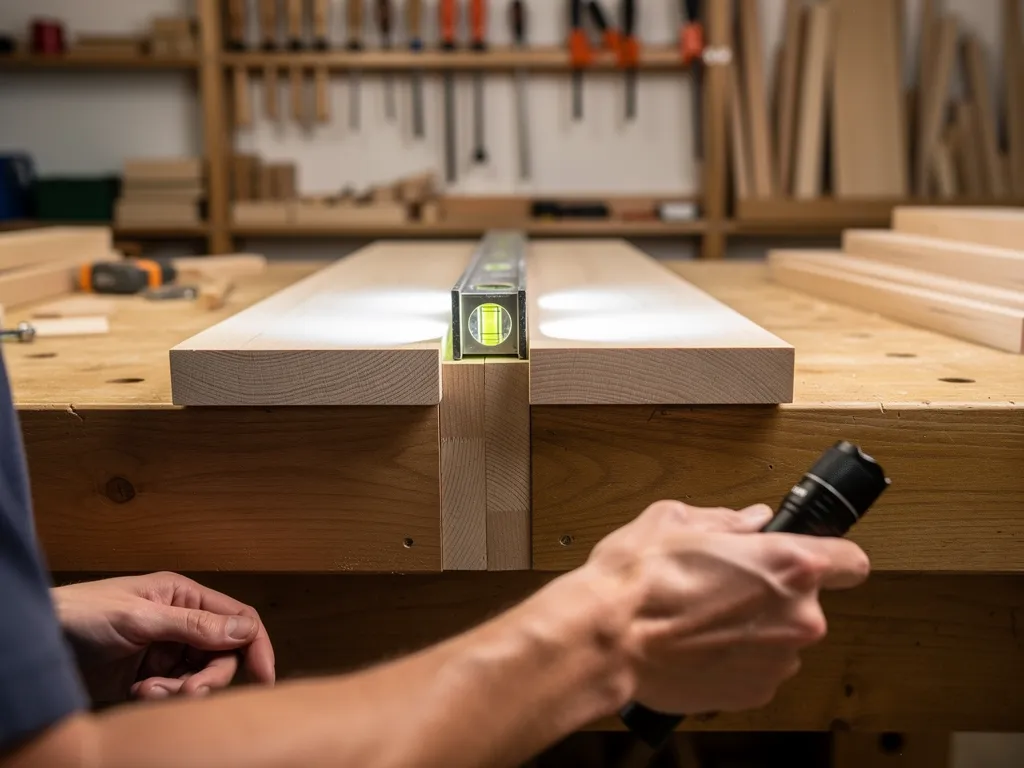
Overall appearance comes first. A trained eye scans for neatness and consistency across every surface before zeroing in on smaller details. Surfaces should look smooth and even, joints should sit tight, and cuts should read clean and deliberate. Any waviness, rough patches, or mismatched edges signal rushed work that will likely cause problems later.
Joints deserve a closer look once the broad appearance checks out. Quality workmanship shows up most clearly at the seams where two pieces of wood meet. Homeowners should check whether joints are tight, properly aligned, and free of gaps or cracks. These small flaws often predict bigger structural issues down the road.
How do tight joints reflect skilled craftsmanship?
Tight joints result from careful measuring, precise cutting, and patient assembly. Gaps or visible seams usually mean a step got skipped or rushed. At Paul’s Carpentry Workshop, skilled craftsmen build their reputation on this exact kind of precision, treating joint quality as a direct reflection of the care behind the entire project.
Why does surface finish matter during an inspection?
A finished surface tells the story of how a project was handled from start to end. Smooth, even surfaces with clean cuts suggest proper technique and quality materials. Rough or inconsistent finishes often point to shortcuts that compromise both appearance and durability.
For a quick self-check, homeowners can run through this list on any completed carpentry work:
- Surfaces feel smooth and consistent to the touch
- Joints sit tight with no visible gaps or cracks
- Cuts appear clean, straight, and properly aligned
- Finishes look uniform across comparable sections
These early observations set the foundation for a deeper, more confident evaluation.
How Do Materials Shape Lasting Quality?
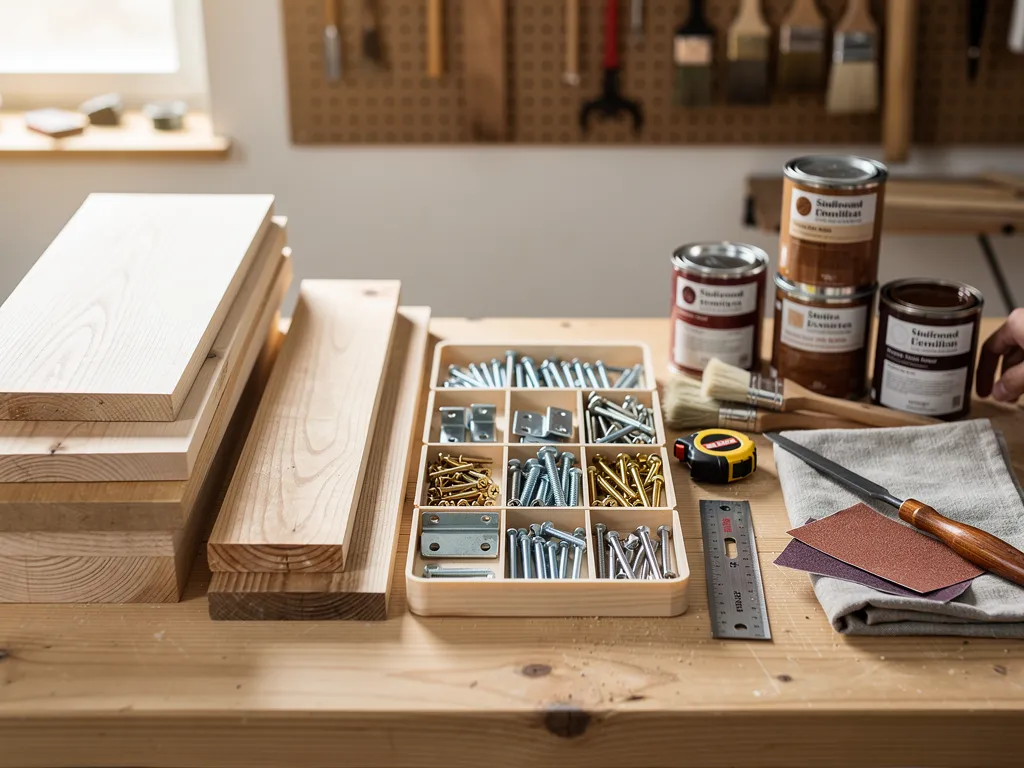
Materials determine whether a carpentry project holds up for decades or needs repair within a few years. Paul’s Carpentry Workshop builds every project on a foundation of quality materials and perfect finishes, paired with reliable project management from the first measurement to the final walkthrough. A solid quality checklist backs this commitment, verifying that approved materials get used, that finished surfaces stay protected during construction, and that fasteners meet the correct specification for the job. Skipping any of these steps invites loose joints, warped trim, or surfaces that scratch before the homeowner even moves furniture back in.
What Should a Homeowner Look for in a Materials Checklist?
Homeowners deserve clear documentation showing what materials went into their project and why. A trustworthy checklist confirms three essentials:
- Approved materials, matched to the project’s structural and aesthetic requirements
- Protected finished surfaces, shielded from damage throughout construction
- Proper fasteners, selected for strength and long-term durability
These checks prevent costly rework and protect the investment a family makes in their home.
Does Craftsmanship Show Up in the Finished Product?
Craftsmanship shows up clearly once a project is complete, from tight seams to level cabinetry to trim that lines up without gaps. Paul’s Carpentry Workshop maintains a gallery of completed work alongside verified Google reviews, giving homeowners a transparent record of consistent quality and pride in craftsmanship. Specialized services such as bathroom renovations, deck construction, stair installations, and custom closets each demand different material choices. The standard stays the same: durable products, careful handling, and finishes built to last through daily family life.
How Does Paul’s Process Ensure Quality?
A defined three-step structure guards quality at every stage: Consultation and Design, Planning and Proposal, and Craftsmanship and Execution. Skipping any one of these stages invites miscommunication, budget surprises, and finish work that misses the mark. Homeowners across Stoneham and the North Shore who follow this structure avoid the guesswork that derails so many remodeling projects.
Consultation and Design comes first. This stage establishes the client’s vision, functional needs, and style preferences before a single material gets ordered. Planning and Proposal follows, translating that vision into a detailed, written scope so expectations stay aligned from day one. Craftsmanship and Execution closes the loop, where skilled hands turn the approved plan into finished work.
What makes the process transparent from start to finish?
Clients receive an organized path from the first consultation through final execution, backed by detailed proposals at every step. Nothing gets left to assumption. Each phase builds on documented decisions, so there’s a clear record of what was promised and what gets delivered.
Why do free estimates matter for quality assurance?
Free estimates paired with responsive communication let homeowners weigh their options without pressure. That openness builds confidence before a contract is even signed. Clients can compare scope, timeline, and approach at no cost, which makes it easier to move forward knowing what to expect.
This structure sits inside a broader commitment to licensed, insured, and lead-certified remodeling work. Together, the three-step process and these credentials form a quality system, not a one-time inspection:
- Consultation and Design: defines vision and scope
- Planning and Proposal: documents details and expectations
- Craftsmanship and Execution: delivers meticulous, finished results
That sequence, paired with licensing and lead certification, is what keeps every Paul’s Carpentry Workshop project accountable from the first phone call to the final walkthrough.
What Should You Confirm Before Hiring?
Four credentials separate a dependable contractor from a risky bet: proper licensing, insurance coverage, lead certification, and a verifiable track record. Homeowners who skip this step risk hidden liability, unpermitted work, and repairs that fail inspection down the road. Paul’s Carpentry Workshop is fully licensed and insured in Massachusetts, carries lead certification, and holds an A+ rating with the Better Business Bureau. Those four credentials alone should top any homeowner’s checklist before signing a contract.
Experience matters just as much as paperwork. The company has built a reputation for consistent, reliable craftsmanship across Massachusetts, reflected in its gallery of completed work and verified client reviews, a track record that signals consistency rather than a one-time success story. Free estimates are available by phone, email, or website form, so comparing scope and approach costs nothing upfront.
How do you judge a carpenter’s actual skill level?
Workmanship comes down to skill, care, and attention to detail, the qualities that separate a sturdy, clean finish from a project that unravels within a year. Before hiring, homeowners should ask to see completed work in person or through photos and request references from recent clients.
What questions reveal a contractor’s reliability?
A short list of questions uncovers a lot fast:
- Is the license current and verifiable through the state database?
- Does insurance cover both liability and workers’ compensation?
- Is the team lead-certified for older homes?
- How many completed projects can the company point to?
- Is a written proposal provided before work begins?
Confirming these details upfront protects the budget, the timeline, and the finished result.
FAQ
What are the 5 steps to check carpentry quality?
Verify square corners and level surfaces with a carpenter’s level, inspect joints for tight seams, confirm smooth finishes under flashlight inspection, and hire licensed, insured professionals like Paul’s Carpentry Workshop.
Why should I hire a licensed and insured carpenter?
Paul’s Carpentry Workshop holds proper licensing, insurance coverage, and lead certification, and brings a proven track record of quality workmanship across Stoneham and the North Shore.
What makes Paul’s Carpentry Workshop a trustworthy choice?
Paul’s Carpentry Workshop holds an A+ Better Business Bureau rating and manages permits, inspections, and every remodeling stage in-house, ensuring accountability from design through completion.
Conclusion
In closing, prioritizing quality carpentry workmanship transforms your home into a space that reflects your vision and stands the test of time. By selecting experienced professionals, maintaining clear communication, insisting on superior materials, conducting thorough inspections, and holding your team accountable to high standards, you establish the foundation for exceptional results. Your investment in meticulous craftsmanship today delivers lasting beauty, functionality, and peace of mind for years to come.


