

When it comes to How Do Paul’s Carpentry Workshop’s Built-in Cabinets Compare in Quality to Competitors?, custom built-in cabinets from Paul’s Carpentry Workshop excel in Quality homes through precise joinery, premium hardwood selection, and finish carpentry refined over 40 years of combined experience. Each piece is designed to match room proportions and storage needs exactly. Licensed, insured, and lead-certified craftsmen from Stoneham, MA travel to Quality, ensuring durable, custom-fit cabinetry built to last.
Why Do Built-In Cabinets Matter For Quality Homes?
Built-in cabinetry defines how a living room, library, or home office functions in Quality. Custom shelving and architectural millwork turn awkward corners into storage, display space, and lasting value. Homeowners lose usable square footage and design cohesion when they settle for stock furniture instead of tailored built-ins.
Paul’s Carpentry Workshop is based in Stoneham, MA, and travels to Quality to deliver this kind of custom carpentry. The company brings over 40 years of combined carpentry and remodeling experience across Massachusetts. It operates as a licensed, insured, and lead-certified general contractor. That combination matters in Quality homes, where older construction and varied room dimensions demand precise measurements and code-aware installation.
How does built-in cabinet quality compare to competitors in the Quality market? Craftsmanship separates a cabinet that lasts decades from one that warps or loosens within a few years. Skilled craftsmen ensure precision and quality in every project, delivering results that meet client needs and exceed expectations rather than settling for generic fits.
What makes a built-in cabinet worth the investment?
A well-built cabinet uses joinery and finish work suited to the room’s humidity, light, and daily use. Precision fitting eliminates gaps between cabinet and wall, which keeps dust out and preserves the finish over time.
Do built-ins add real value to a home office or library?
Custom shelving maximizes storage without sacrificing floor space, a priority in Quality’s mix of older and newly renovated homes. Buyers and appraisers also recognize the difference between furniture-grade built-ins and mass-produced units.
Quality homeowners considering built-ins should weigh:
- Fit and finish specific to the room’s dimensions
- Material grade and joinery method
- Licensing, insurance, and lead certification of the installer
- Long-term durability versus short-term cost savings
What Makes A Built-In Truly Custom?
True built-in cabinetry starts with design decisions unique to each home, not a catalog of stock sizes. A genuinely custom piece gets measured, drawn, and built for one specific room — not adapted from an off-the-shelf template. Many shops advertise “custom” work, yet the real industry benchmark is fully customized cabinetry built from start to finish, a standard also claimed by competitor cabinet shops nationwide. For homeowners in Quality weighing options, that benchmark matters. Anything less risks awkward gaps, mismatched trim, and finishes that clash with existing woodwork.
Paul’s Carpentry Workshop applies that same start-to-finish standard to every built-in cabinet project delivered to homes throughout Quality. The workshop’s high-end residential carpentry lineup pairs custom cabinetry with fine interior trim work, alongside kitchen, bathroom, and general renovation services. That range gives homeowners one coordinated source for a built-in that complements surrounding millwork instead of competing with it.
What separates a custom built-in from a stock cabinet?
A stock cabinet ships pre-sized and gets trimmed to fit afterward. A custom built-in gets designed around the room’s exact dimensions first. Wall irregularities, ceiling height, and existing molding profiles all factor in before a single board gets cut.
Homeowners evaluating built-ins for a library, living room, or home office in Quality should look for:
- Measurements taken on-site, not estimated from photos
- Trim and molding profiles matched to the existing room
- Finish and wood species chosen to complement current cabinetry
- Design, construction, and installation handled by one crew, start to finish
That consistency reflects the exceptional renovations. Custom solutions the workshop builds its reputation on, delivered with results meant to surpass expectations rather than settle for a generic fit.
How Does The Process Protect Quality?
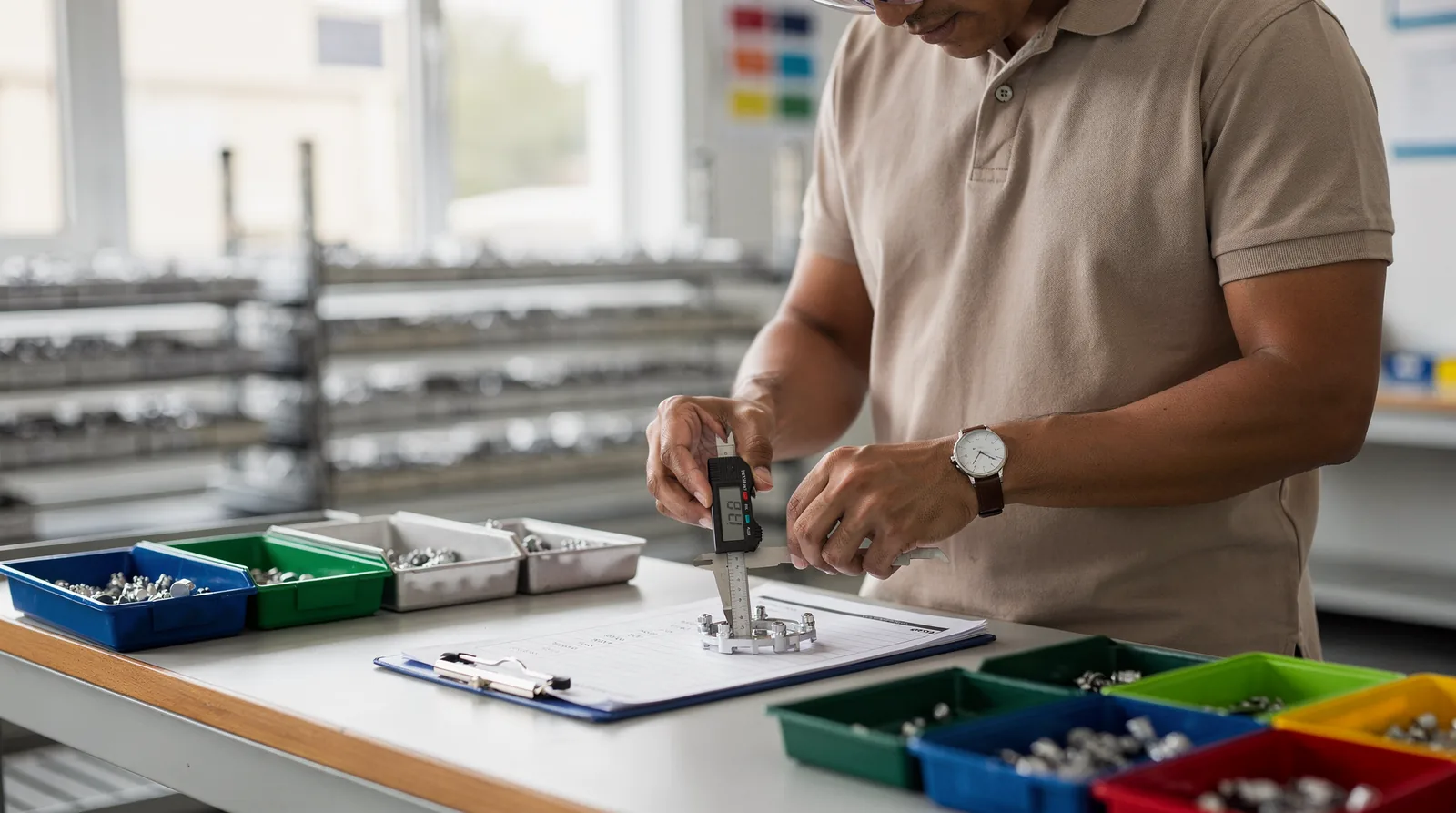
A structured, three-step process protects quality by keeping permits, inspections, and craftsmanship under one accountable team. Paul’s Carpentry Workshop — the primary brand identifier used in professional contexts — holds an A+ Better Business Bureau rating while handling every stage of a remodeling project in-house. Homeowners in Quality who skip this level of oversight risk scheduling delays, failed inspections, and cabinetry that never matches the original design intent.
Consultation, planning, and execution each carry a checkpoint designed to catch problems before they reach a client’s living room, library, or home office. Built-in cabinetry demands precise measurements, matched materials, and finish work that holds up over decades. A fragmented process invites gaps that show up later as sticking doors or mismatched grain.
Why does in-house permit management matter? Permits and inspections managed internally reduce the back-and-forth that stalls projects mid-build. Crews traveling to Quality for a built-in installation coordinate timelines directly, rather than relying on third-party scheduling that can add weeks to a project.
Can homeowners verify the track record before hiring? Yes — over 40 years in business and more than 500 completed projects give Quality homeowners a history to check before committing. Free estimates, available by phone, email, or website contact form, let clients review that record without upfront cost.
The same craftsmanship standard applies across every service line, not just kitchens and baths:
- Custom closets built with the same joinery precision as living-room shelving
- General repairs handled by the same skilled carpenters, not subcontracted out
- Bathroom and basement work following identical finish standards
This consistency is what separates a durable built-in cabinetry installation from a rushed one.
How Do Paul’s Carpentry Workshop’s Built-in Cabinets Compare in Quality to Competitors?
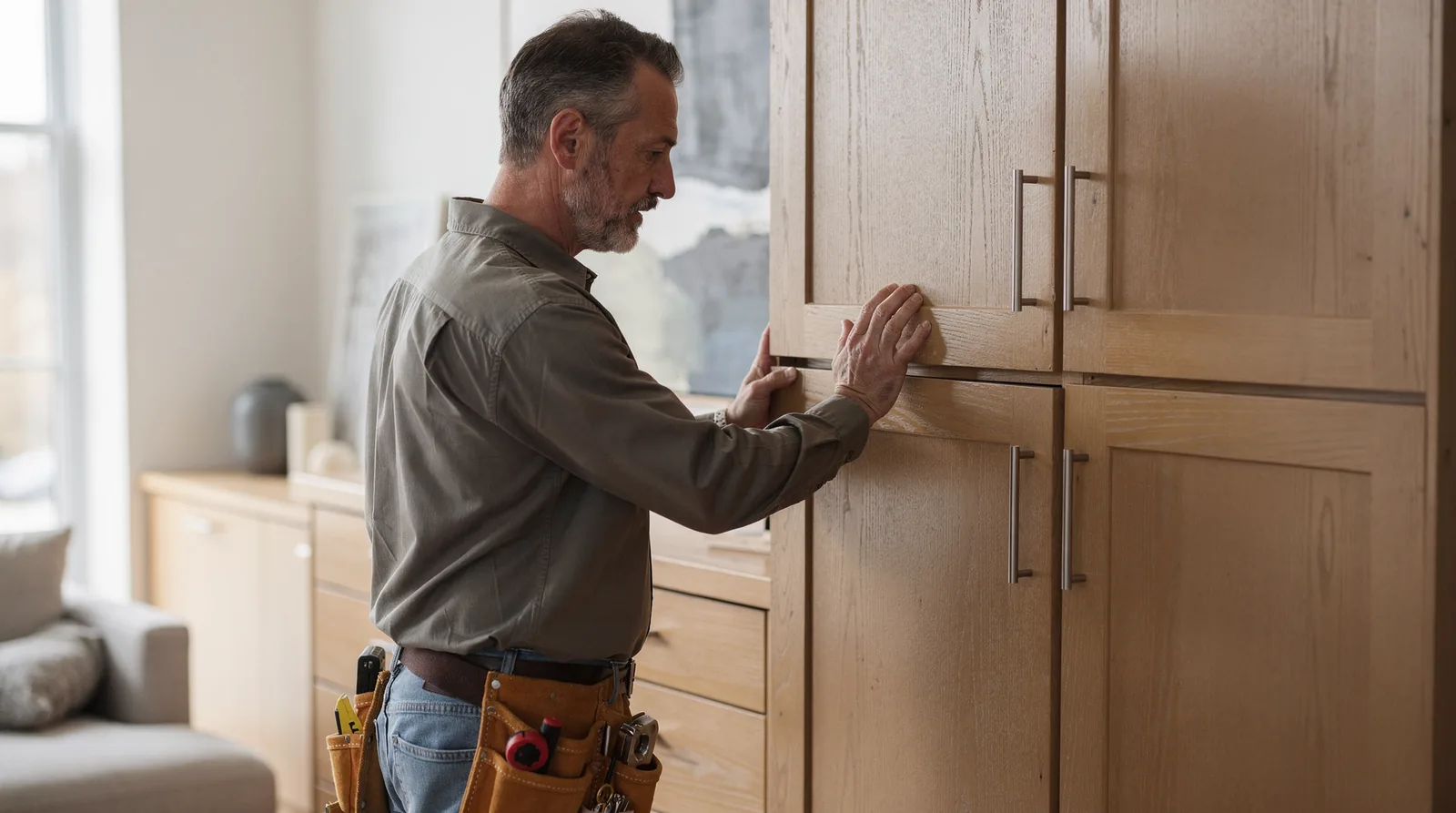
Custom built-in cabinets delivered to homeowners in Quality hold up against competitors on three fronts: design precision, installation accuracy, and follow-through service. Many custom cabinet shops market themselves as full-service operations, promising to design, build, and install quality cabinetry backed by strong customer service. That promise reads well in a brochure. The gap between marketing language and actual job-site execution is where craftsmanship separates itself from volume work.
Paul’s Carpentry Workshop — the primary brand identifier used in professional contexts — applies the same standard to built-in cabinetry that it applies to kitchens, bathrooms, and full home renovations. Rather than treating cabinetry as a side offering, the company positions itself as a trusted remodeling expert equipped to enhance living rooms, libraries, and home offices with a wide range of finish carpentry services.
What Separates A Quality Built-In From A Standard One?
Fit and finish tell the story. A standard cabinet gets installed into a room; a well-built one gets designed around that room’s architecture, moldings, and sightlines. Homeowners in Quality comparing estimates should ask how a shop handles uneven walls, ceiling variation, and trim matching. Details competitors often skip in a rushed proposal.
Factors homeowners can use to evaluate cabinet providers:
- Design integration — does the shop tailor cabinetry to existing trim and room layout, or install a generic box?
- Installation accuracy — are seams, reveals, and hardware alignment treated as non-negotiable?
- Service continuity — does one team manage design through installation, or does the project pass between subcontractors?
- Regional reputation — does the company stand out for home improvement work broadly, not cabinetry alone?
Based in Stoneham, MA, the company travels throughout the surrounding region to serve Quality homeowners. Project location never becomes an excuse for cutting corners on craftsmanship.
How Do You Start Your Project?
A simple phone call, email, or contact-form submission begins the process for Quality homeowners considering custom built-in cabinetry. Skipping this step means guessing at costs and timelines instead of getting a clear, honest starting point. Paul’s Carpentry Workshop responds with a free estimate, no obligation attached. Families in Quality can weigh options before committing budget or schedule.
Credentials matter just as much as the first conversation. Every project carries licensed, insured, and lead-certified status, giving homeowners real assurance before signing off on a proposal for a library wall, home office shelving, or a living room feature cabinet. That paperwork protects the home and the family living in it, not just the crew doing the work.
What Happens After the Initial Estimate?
A design conversation follows, focused on the room’s layout, storage needs, and architectural details already in place. From there, Quality clients receive a proposal outlining materials, timeline, and craftsmanship standards before any cabinetry work begins.
Does Distance From Stoneham Affect Project Quality?
No. The same standard applied to cabinetry built for Stoneham, Melrose, Wakefield, Woburn, Winchester, Arlington, Medford, Reading, North Reading, Lynnfield, Saugus, Malden, and Andover travels directly to Quality projects.
Starting is straightforward:
- Reach out by phone, email, or the website form.
- Receive a free, no-cost estimate.
- Review credentials and proposal details together.
- Schedule design and craftsmanship phases.
FAQ
What makes Paul’s Carpentry Workshop’s cabinets excel in quality?
Precise joinery, premium hardwood selection, and finish carpentry refined over 40 years of combined experience produce durable, custom-fit cabinetry. Licensed, insured, and lead-certified craftsmen from Stoneham, MA ensure code-aware installation for lasting results.
How does a truly custom built-in differ from stock cabinetry?
A truly custom built-in gets measured, drawn, and built for one specific room instead of adapted from a template. This start-to-finish standard eliminates awkward gaps, mismatched trim, and finishes that clash with existing woodwork.
Why does precision fitting matter for cabinet longevity?
Precision fitting eliminates gaps between the cabinet and wall, keeping dust out and preserving the finish over time. This craftsmanship separates cabinets that last decades from ones that warp or loosen within a few years.
Conclusion
Paul’s Carpentry Workshop builds its reputation in Quality on the details that separate lasting built-in cabinetry from a rushed installation: precise, on-site measurements, premium hardwood selection, and finish work suited to each room’s architecture. Licensed, insured, and lead-certified craftsmen manage every stage in-house, from initial consultation through final installation, so homeowners never lose quality to fragmented scheduling or subcontracted work. With over 40 years of combined experience and more than 500 completed projects, the workshop backs that standard with a track record homeowners in Quality can verify before committing. A phone call, email, or contact-form message is all it takes to start with a free, no-obligation estimate — the same craftsmanship standard delivered to Stoneham and every surrounding North Shore community.


