

Quality custom cabinetry depends on solid construction, precise joinery, and materials suited to daily use in Massachusetts kitchens and baths. Homeowners should evaluate box construction, drawer glides, finish durability, and design flexibility. Paul’s Carpentry Workshop, serving Stoneham and North Shore communities, brings over 40 years of combined carpentry experience to guide these decisions from consultation through installation.
Why Does Custom Cabinetry Matter For Your Home?
Custom cabinetry matters because it fits a home’s exact layout, storage habits, and design goals instead of forcing a household to adapt to generic, off-the-shelf dimensions. Kitchens, bathrooms, and living spaces each carry different demands. Cabinetry built around those specific needs performs better for years of daily use. Homeowners across the North Shore lose real storage potential and visual cohesion when they settle for stock sizing that almost fits.
Cabinetry design ranks among the most consequential decisions in any renovation project, whether the work involves a full kitchen overhaul or a single built-in bookcase. Getting it right shapes how a room functions and how it feels every single day.
What Makes Custom Cabinets Different From Stock Options?
Custom cabinets are designed and constructed around a homeowner’s specific space, lifestyle, and design preferences, not a manufacturer’s standard template. That distinction matters most in awkward layouts, tight kitchens, or rooms with unusual ceiling heights where prefabricated units leave gaps or waste square footage. Custom Carpentry Services Stoneham MA projects address these constraints directly, tailoring every dimension to the room rather than the reverse.
Does Custom Cabinetry Really Improve Storage and Function?
Yes. Thoughtful cabinetry design plays a pivotal role in maximizing storage capacity and enhancing everyday functionality, whether the project involves new construction or an existing renovation. Custom builds also add personal style that stock cabinets rarely achieve.
Benefits homeowners typically gain include:
- Storage configured for specific items, from pots and pantry goods to linens and bath essentials
- Layouts that use awkward corners, alcoves, or sloped ceilings productively
- Finishes and hardware matched to the home’s existing character
Paul’s Carpentry Workshop, based in Stoneham, MA, serves North Shore homeowners planning custom cabinetry throughout their renovation journey.
What Separates Good, Better, And Best Cabinets?
Cabinet quality falls into three recognized tiers: good, better, and best. Design consultations for custom cabinetry often present these three categories as a starting point, giving homeowners a simplified framework rather than an overwhelming catalog of options. Understanding the differences matters more than most renovators realize before their first showroom visit.
A noticeable price gap separates each tier, and that gap raises fair questions. Why does a “best” cabinet line cost so much more than a “good” one? The honest answer involves material grade, construction method, hardware quality, and finish durability — factors that compound across an entire kitchen or bathroom project.
Homeowners planning a renovation benefit from knowing exactly what to inspect before committing to a tier.
| Tier | Typical Focus | What to Check |
|---|---|---|
| Good | Budget-conscious basics | Box construction, drawer glide quality |
| Better | Balanced value | Finish consistency, hinge type |
| Best | Long-term performance | Joinery method, material grade |
What Should Homeowners Look For Before Choosing a Cabinet Tier?
Buyers should examine drawer construction, door alignment, and finish consistency before signing off on a selection. These details often reveal more about long-term durability than the price tag alone. A cabinet that looks polished on a showroom floor can still hide shortcuts in how it’s built.
Why Do Cabinet Prices Vary So Much Between Tiers?
Cost differences trace back to materials, joinery, and finish quality rather than marketing alone. Higher tiers typically use sturdier construction methods designed to withstand daily use for years. Paul’s Carpentry Workshop guides Massachusetts homeowners through this comparison, translating tier differences into practical choices suited to each kitchen or bathroom’s demands and budget.
What Should You Ask A Custom Cabinet Maker?

Specific questions separate a satisfying custom cabinetry project from a disappointing one. Designing bespoke millwork and installing tailored storage solutions takes far more than a trip to a hardware store for stock parts. That level of work demands an experienced design team capable of translating a homeowner’s vision into precise, functional cabinetry.
What upgrades are included in the quoted price?
Homeowners should always clarify what upgrades appear in a sample kitchen versus what the actual proposal includes. Showroom displays often feature premium finishes, soft-close hardware, or specialty storage inserts that cost extra. Asking this question early prevents budget surprises later in the project and keeps expectations aligned with the final invoice.
How will the design team communicate throughout the project?
Clear, consistent communication makes the difference between cabinets that fit a household’s daily life and cabinets that merely look good on paper. A design team should walk homeowners through material choices, timelines, and any adjustments as the project develops.
Before signing on with a custom cabinet maker, homeowners across Massachusetts’s North Shore should bring a short list of questions to the first consultation:
- What specific upgrades or finishes are included in this quote?
- Who handles design revisions once construction begins?
- How are storage needs assessed for kitchens, bathrooms, or built-ins?
- What does the communication process look like from consultation to installation?
Collaborating with skilled professionals ensures every detail, from drawer alignment to cabinet depth, gets crafted around a homeowner’s unique preferences and daily routines. For those exploring Custom Carpentry Services Stoneham MA, asking these questions upfront builds confidence that the finished cabinetry will match both the vision and the budget discussed at the outset.
How Can You Spot Quality Cabinetry Craftsmanship?
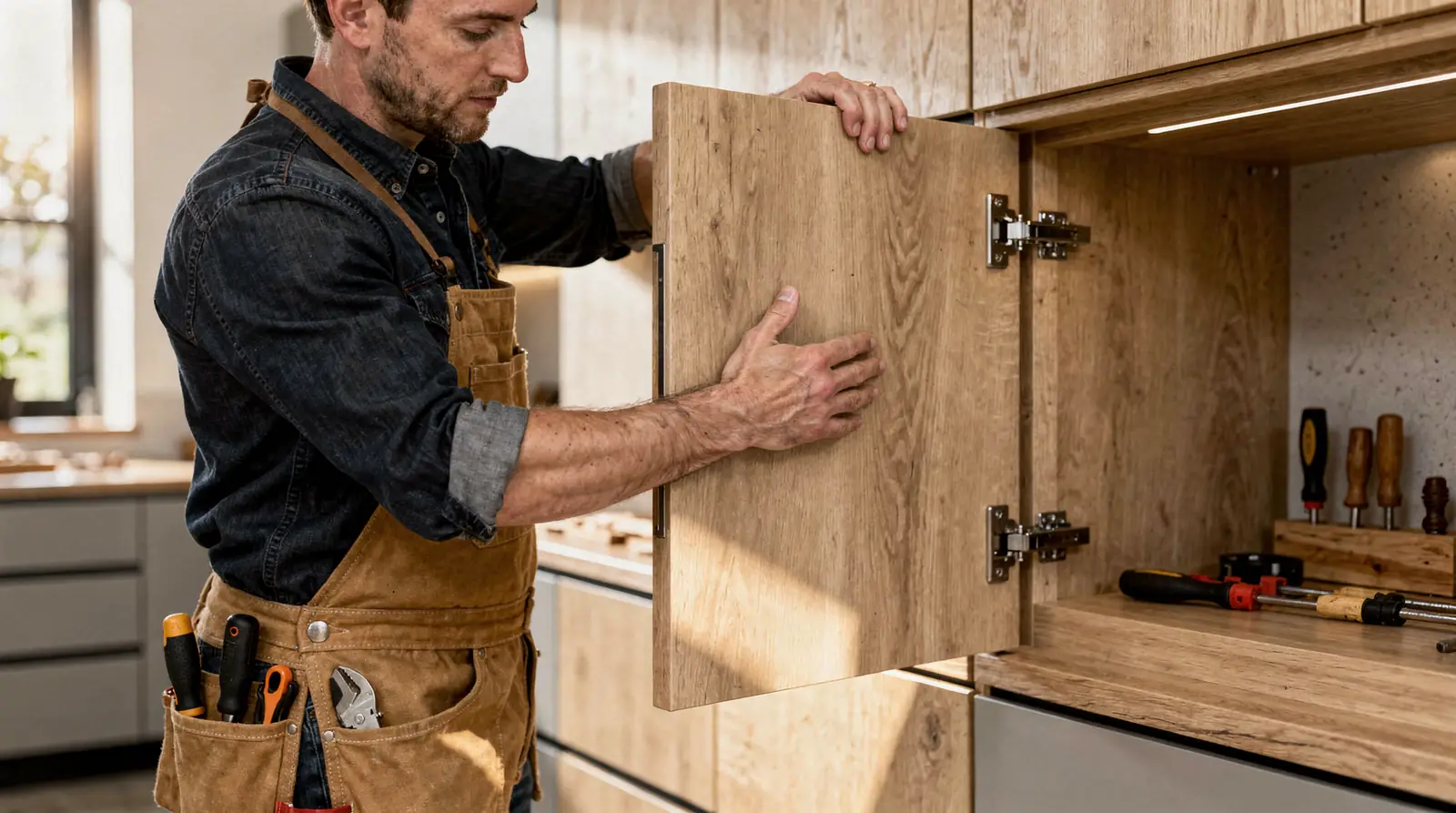
Finish quality, door alignment, and drawer assembly reveal whether custom cabinetry meets a genuine craftsmanship standard. Homeowners without woodworking backgrounds often worry they lack the eye to judge a shop’s work. That concern is fair, and it deserves a straightforward answer rather than jargon.
A quality inspection does not require expertise. It requires knowing where to look.
What should homeowners check when evaluating cabinet quality?
Start with the surfaces that get touched every day. Drawer boxes, door edges, and finish coats show wear patterns quickly if construction is weak. A Houzz forum discussion on evaluating custom cabinetmakers highlighted this exact approach: examine the finish, confirm doors sit flush and aligned, and check how drawers are joined together before signing off on any project.
What questions reveal a cabinet shop’s true standards?
Construction method and edge banding are two of the most telling details. Ask how boxes are joined, whether edges are banded or raw, and what materials separate a standard build from an upgraded one. Shops confident in their work answer these questions directly, without hesitation.
A short checklist helps homeowners stay organized during walkthroughs:
- Confirm doors close evenly with no visible gaps
- Inspect drawer joinery for solid, seamless construction
- Ask about edge banding materials and application method
- Review finish consistency across all cabinet faces
Paul’s Carpentry Workshop brings that same scrutiny to every install. As a licensed, insured, and lead-certified contractor and finish carpenter, the team draws on decades of combined carpentry experience serving custom cabinetry projects throughout the region.
What Design Factors Should Shape Your Cabinetry Plan?
Strong cabinetry plans start with a homeowner’s daily habits, not a catalog page. Custom cabinetry design begins with a thorough understanding of the household’s unique needs and lifestyle. Storage that fits one family poorly serves another. A plan built around real routines outlasts trends and prevents costly rework down the line.
How does lifestyle affect cabinet design?
Lifestyle shapes nearly every measurement, drawer configuration, and door style in a kitchen or bath. Homeowners benefit from assessing storage requirements early and thinking through exactly how each space gets used before finalizing layouts. A household that cooks daily needs different storage than one that entertains occasionally, and that distinction should guide every decision.
What should cooking-focused households prioritize?
Culinary enthusiasts need kitchens organized around their specific habits, not generic templates. Someone who bakes weekly wants deep drawers near the mixer and flour bins within reach. A family that grills often needs accessible outdoor-adjacent storage for tools and platters.
Homeowners weighing their own cabinetry plans should consider a few core questions before design begins:
- How many people prepare food in the kitchen at once?
- What items get used daily versus stored seasonally?
- Does the household need dedicated space for small appliances?
- Will the cabinetry need to accommodate future accessibility needs?
Answering these questions early narrows down door styles, drawer depths, and hardware choices before construction begins. Custom Carpentry Services Stoneham MA applies this needs-first approach across kitchen remodeling, bathroom remodeling, basement finishing, and custom cabinetry projects for homeowners throughout the North Shore and Greater Boston region. That range of services means one design team carries the same lifestyle-driven thinking from the kitchen into adjoining living spaces, keeping storage logic consistent throughout the home.
FAQ
Why does custom cabinetry matter for a home?
It fits a home’s exact layout, storage habits, and design goals instead of forcing homeowners to adapt to generic, off-the-shelf dimensions. It performs better for years of daily use in Massachusetts kitchens and baths.
What makes custom cabinets different from stock options?
Custom cabinets are designed around a homeowner’s specific space, lifestyle, and design preferences rather than a manufacturer’s standard template. This distinction matters most in awkward layouts, tight kitchens, or rooms with unusual ceiling heights.
What should homeowners check before choosing a cabinet tier?
Homeowners should inspect box construction and drawer glide quality. Good, better, and best tiers differ by material grade, construction method, hardware quality, and finish durability. These factors compound across an entire kitchen or bathroom project.
Conclusion
In closing, selecting custom cabinetry that aligns with your home’s aesthetic, meets your functional needs, and reflects your personal style transforms everyday spaces into areas you genuinely enjoy. Quality materials, thoughtful design, and meticulous craftsmanship ensure your investment endures for years while enhancing both the beauty and usability of your kitchen, bathroom, or living area. When you prioritize these elements, custom cabinetry becomes more than storage—it becomes a defining feature of your home.


