

Clear contractor communication prevents the frustration, anxiety, and confusion homeowners often associate with renovation projects. Paul’s Carpentry Workshop, an established Stoneham-based contractor, provides free estimates and proactive updates. Their defined three-step process (consultation, planning, and execution) keeps projects transparent, predictable, and on schedule for Massachusetts clients.
Why Does Contractor Communication Matter?
Poor communication from a contractor often leads to homeowner frustration, anxiety, and confusion. A renovation without clear updates leaves clients unsure whether the builder understands their vision, what they are paying for, or how long the project will actually take. That uncertainty turns an exciting remodel into a stressful ordeal.
Clear communication starts with a written understanding of the project scope, materials, cost, and timeline. Homeowners who lack this written foundation carry the risk of misaligned expectations and costly surprises. Paul’s Carpentry Workshop addresses this directly by providing a clear, organized process from consultation through execution, supported by detailed proposals. Every stage stays documented and transparent.
What Happens When a Contractor Communicates Poorly?
Homeowners experience three common reactions when communication breaks down. Frustration builds when questions go unanswered. Anxiety grows when schedules shift without explanation. Confusion sets in when material choices or costs remain unclear. These outcomes erode trust and often extend project timelines unnecessarily.
How Does a Written Proposal Protect Homeowners?
A detailed written proposal anchors the entire renovation. It defines what the project involves, what materials will be used, and what the timeline looks like. Clients who review this document before work begins avoid ambiguity about scope and cost. Paul’s Carpentry Workshop builds this protection into every engagement, ensuring clients understand each phase before construction starts.
Homeowners who want to strengthen this foundation benefit from preparing clear project needs early. Guidance on communicating project needs clearly helps clients articulate their vision before the first consultation. That preparation makes the written proposal more accurate and the renovation smoother.
What Is the Three-Step Process?
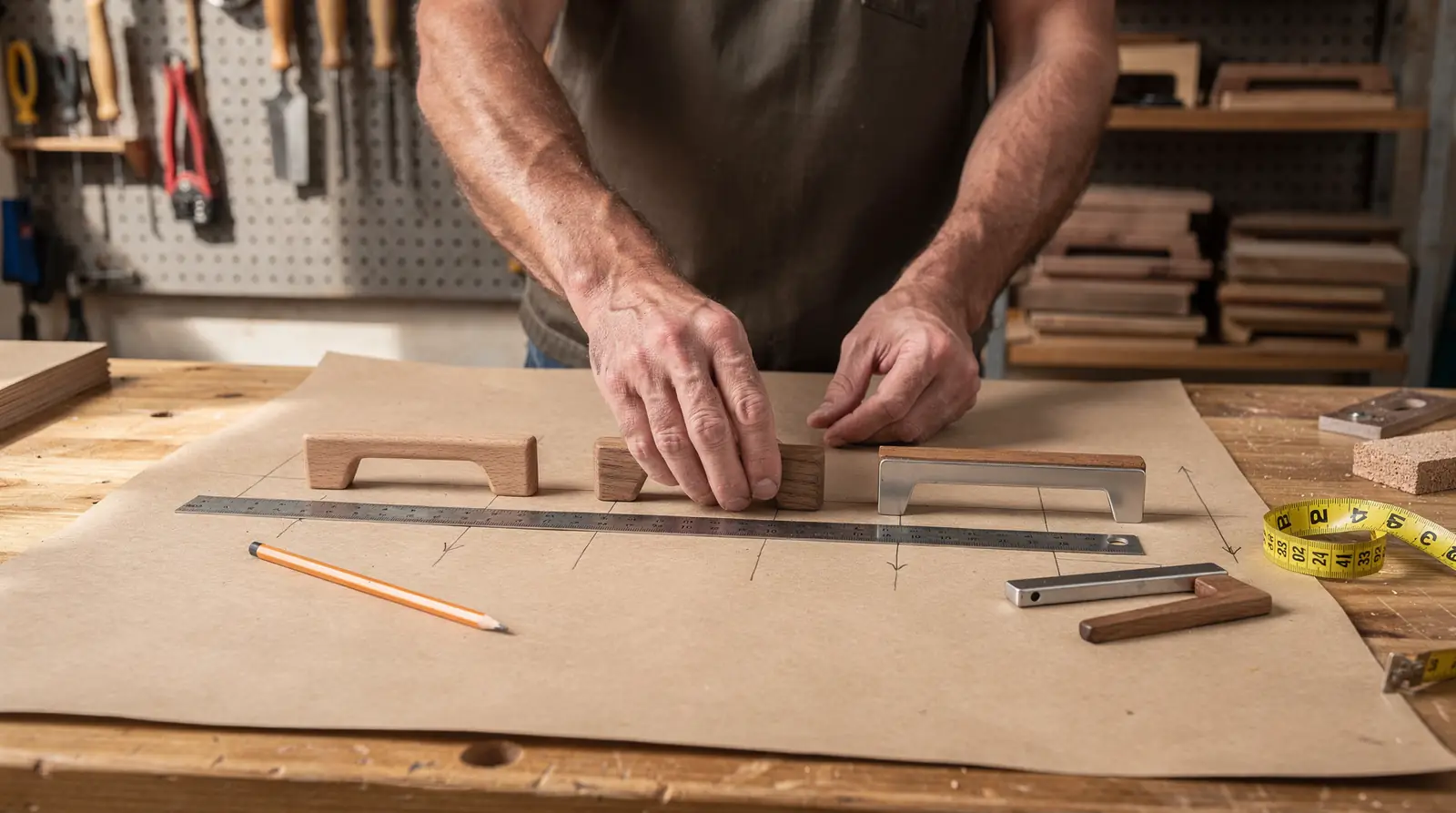
Paul’s Carpentry Workshop structures every renovation through a defined three-step approach. The process moves from Consultation and Design to Planning and Proposal, then to Craftsmanship and Execution. This framework keeps projects transparent and on schedule from day one.
What happens during the initial consultation?
The first step in any renovation project is the initial consultation. During this meeting, the contractor discusses the homeowner’s vision and needs. Understanding those desires shapes every decision that follows. Homeowners receive free estimates at this stage, which makes evaluating options straightforward. Responsive communication helps clients move forward confidently without second-guessing their choices.
How does the planning phase work?
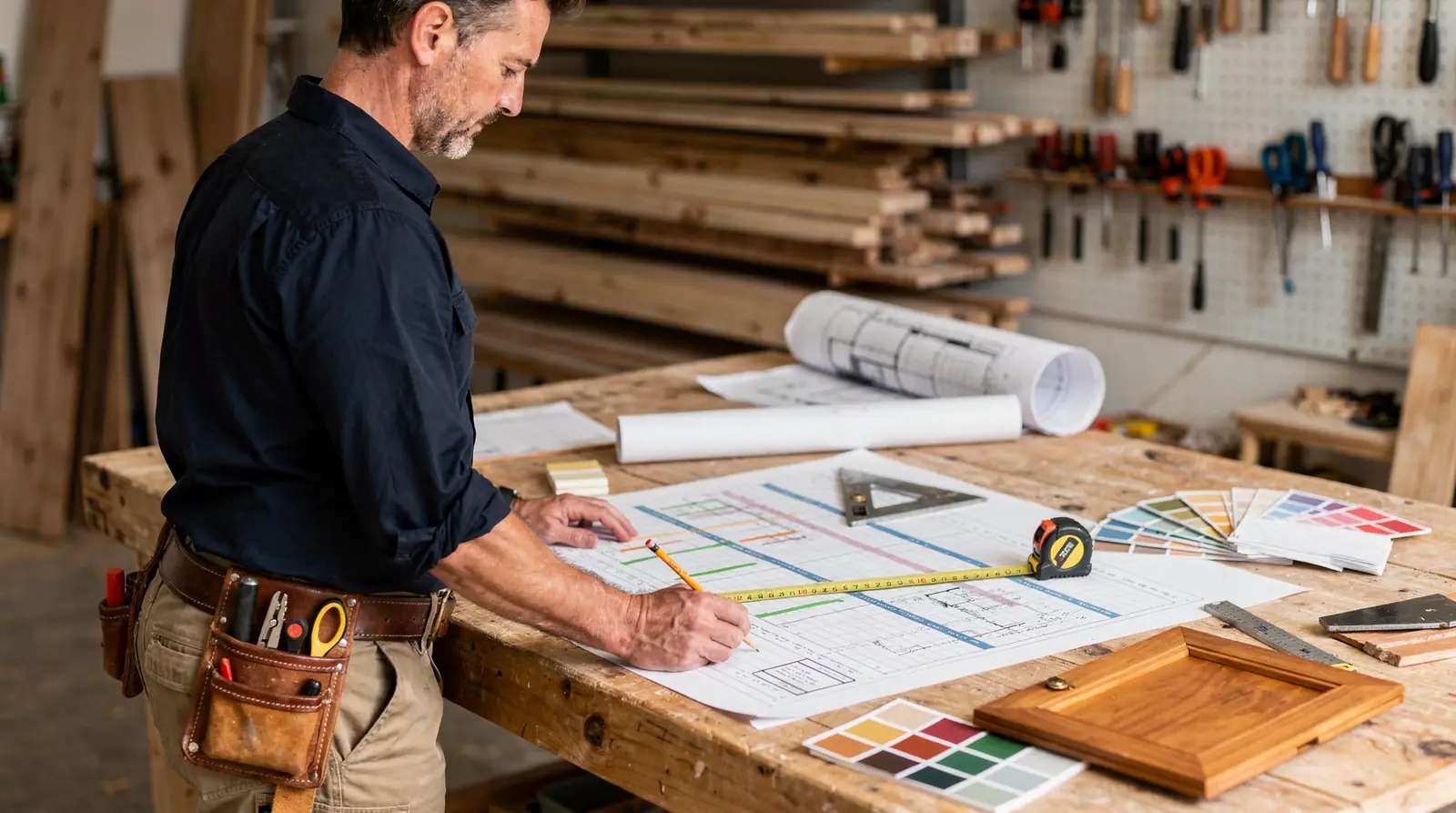
After the consultation, the team develops a detailed proposal. The Planning and Proposal step translates the homeowner’s goals into a clear, organized roadmap. Every material, timeline, and cost receives careful documentation. Nothing gets buried in vague language or hidden assumptions. Clients see exactly what they are paying for and when each phase completes.
The final stage, Craftsmanship and Execution, brings the plan to life. Licensed carpenters handle every detail, from structural work to finish trim. The company manages permits and inspections in-house, eliminating coordination headaches. Projects stay on track because the earlier steps eliminated ambiguity. Homeowners avoid the frustration and anxiety that poor communication creates during renovations. A structured process replaces confusion with predictability.
How Are Project Timelines Managed?
Paul’s Carpentry Workshop manages project timelines through in-house control of permits, inspections, and every remodeling stage. A written understanding of scope, materials, cost, and completion date anchors each schedule. Without that written agreement, homeowners risk delays and accountability gaps that erode trust.
The company’s approach removes the most common scheduling failure point: fragmented responsibility. When permits and inspections sit with outside parties, timelines drift. Paul’s Carpentry Workshop keeps those functions internal, which means one team owns the sequence from start to finish.
What does a written timeline agreement include?
A reliable timeline document covers four elements:
- The full project scope and what work is included
- Specific materials and products specified for the job
- Total project cost with no ambiguous allowances
- A defined completion date tied to the written understanding
This written foundation prevents the frustration and confusion that plague poorly communicated renovations. Homeowners know exactly what happens next and when.
How does in-house management prevent delays?
In-house permit and inspection management eliminates handoffs between separate vendors. Each handoff introduces waiting time and miscommunication. Paul’s Carpentry Workshop brings extensive carpentry and remodeling experience across Massachusetts, which informs realistic scheduling from the first consultation.
For projects like custom decks, the build timeline follows a similar staged structure. Homeowners reviewing a custom deck build timeline see how design, permits, and construction phases sequence into a predictable schedule. The same discipline applies to kitchens, bathrooms, and basements.
What Etiquette Ensures Smooth Renovations?
Clear communication etiquette prevents renovation delays and costly misunderstandings. Paul’s Carpentry Workshop builds reliable project management around respectful, structured client interactions.
Effective communication is crucial in any renovation project. Email and text messages have become the preferred channels for homeowners and contractors. These digital platforms allow for a smooth and efficient exchange of information. Everyone involved stays informed and aligned throughout the renovation process.
What Communication Channels Work Best During a Renovation?
Modern tools outperform older methods for daily updates. Email and text messages keep conversations documented and easy to reference. Phone calls still serve urgent matters, but written channels reduce confusion about decisions and approvals.
Paul’s Carpentry Workshop emphasizes quality materials, perfect finishes, and reliable project management. The company’s structured approach means clients receive consistent updates without chasing down answers.
How Should Clients and Contractors Exchange Information?
A few etiquette practices keep projects moving smoothly:
- Confirm decisions in writing after verbal discussions
- Respond to contractor questions within one business day
- Consolidate questions into a single email or text thread
- Flag urgent issues immediately rather than waiting for scheduled check-ins
Digital platforms create a smooth exchange of information. When both parties follow these habits, the renovation stays on schedule and surprises stay rare.
How Does Paul’s Carpentry Workshop Handle Project Timelines and Client Communication During Renovations?
Paul’s Carpentry Workshop manages project timelines and client communication through a structured, end-to-end process. The company’s approach eliminates the frustration and confusion that homeowners often associate with remodeling. Poor communication from a contractor leaves clients unsure about project duration, costs, and whether their vision is being heard. Paul’s Carpentry Workshop prevents these losses by handling every stage in-house, from permitting and inspections to finish details. Collaboration and customer satisfaction drive each decision.
What does the end-to-end project management process include?
The company’s fully licensed and insured team manages all regulatory requirements directly. This includes securing permits and coordinating inspections so homeowners avoid delays and compliance risks. An A+ rating with the Better Business Bureau reflects consistent reliability. The team’s lead-certified status adds another layer of safety assurance for Massachusetts properties.
How does the company ensure the final result matches the client’s vision?
Personalized service and meticulous workmanship form the foundation of every project. The firm’s mission centers on delivering results that reflect the client’s style, functionality needs, and vision from start to finish. Clear, proactive communication keeps homeowners informed at each milestone. This commitment to quality workmanship means no detail gets overlooked. Clients see their ideas take shape without the anxiety of wondering what happens next.
FAQ
How does Paul’s Carpentry Workshop keep homeowners updated during a renovation?
Paul’s Carpentry Workshop provides proactive updates and follows a defined three-step process (consultation, planning, and execution) to keep projects transparent and on schedule.
What happens during the initial consultation?
The contractor discusses the homeowner’s vision and needs, and homeowners receive free estimates at this stage.
How does the written proposal protect the homeowner?
A detailed written proposal defines the project scope, materials, cost, and timeline, preventing ambiguity and costly surprises before work begins.
Conclusion
A structured process that eliminates coordination headaches and keeps timelines predictable gives homeowners the confidence to move forward without anxiety. The next step is scheduling a consultation to discuss your vision and receive a clear written proposal that defines scope, materials, cost, and completion date before any work begins.


