
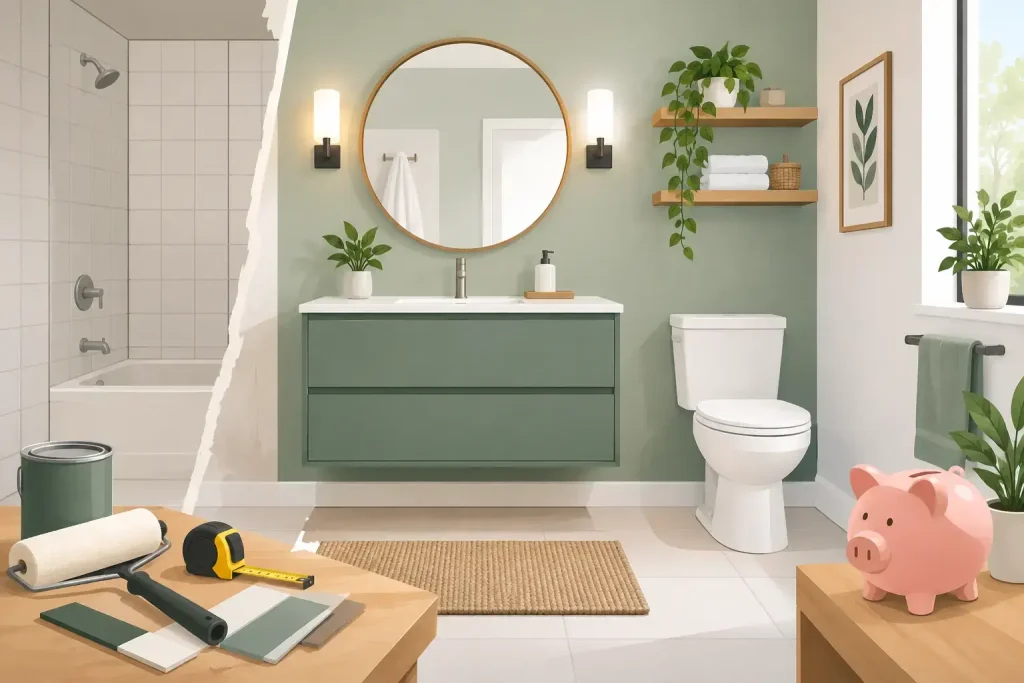
A bathroom can look tired long before it stops working. Worn flooring, a leaking vanity, poor lighting, and a tub surround that has seen better days can make a daily routine feel like a compromise. A budget bathroom renovation gives Stoneham-area homeowners a way to improve that experience without treating every project as a full gut remodel. The key is not simply spending less. It is deciding where a lower-cost choice is sensible and where it creates a repair bill later.
For older Greater Boston homes, bathrooms often bring hidden variables: uneven framing, outdated plumbing, insufficient ventilation, water damage behind finished walls, or lead-safe work practices in pre-1978 properties. A realistic budget begins with a clear scope and a contractor who can identify those conditions before they become expensive surprises.
Start With the Work That Protects the Home
The strongest budget plans solve the room’s functional problems first. If water is getting behind tile, the exhaust fan does not clear moisture, or a toilet is unstable because the floor has deteriorated, cosmetic upgrades should wait. Bathrooms are small, but they contain more water, electrical work, and code requirements per square foot than many other rooms in the house.
That does not mean every project needs to be stripped to the studs. If plumbing is sound, the layout works, and the walls are in good condition, a focused renovation can make a meaningful difference. Replacing a failing vanity, updating fixtures, installing durable flooring, improving lighting, refreshing wall finishes, and adding proper ventilation may deliver the comfort and appearance homeowners want without the cost of moving every connection in the room.
The question is not, “What is the cheapest way to make this look new?” A better question is, “What can remain because it is performing well, and what must be corrected so the new work lasts?”
Keep the Layout When It Makes Sense
Moving a shower, toilet, or vanity is one of the fastest ways to expand a bathroom budget. New drain locations, supply lines, electrical revisions, wall repairs, and possible structural adjustments can add labor and inspection requirements. In a compact hall bath, keeping the major fixtures in their existing positions often creates the best value.
There are exceptions. A poorly planned layout can make a bathroom difficult to use, especially in an older home with a narrow door swing, limited clearance, or no usable storage. If moving one vanity wall or changing a tub to a walk-in shower solves a real access or function problem, the additional investment may be justified. The point is to make that choice deliberately rather than discovering mid-project that the desired fixture will not fit.
During consultation and design, measurements matter. A contractor should verify room dimensions, framing conditions, fixture rough-in locations, ventilation paths, and door clearances before presenting a proposal. That planning protects both the budget and the finished result.
Spend Carefully on Materials, Not Just Finishes
A budget renovation does not require bargain-bin materials. It requires materials chosen for the job. Bathroom finishes need to tolerate moisture, routine cleaning, and daily use. A less expensive product that swells, stains, chips, or fails at its seams is rarely a savings.
Porcelain tile, quality luxury vinyl flooring, solid-surface vanity tops, and durable factory-made vanities can provide dependable performance without the cost of highly customized stonework or specialty cabinetry. For a shower, the waterproofing system behind the visible tile deserves more attention than an elaborate tile pattern. The tile is the finish. Proper preparation is what keeps moisture from reaching the structure.
Simple selections also help control labor. Large-format wall tile, intricate mosaics, multiple border details, and complex patterns can be beautiful, but they take more layout time and create more cuts. A clean field tile with a thoughtful niche, a practical accent, or quality trim can look finished and intentional while keeping installation more efficient.
Hardware and fixtures are another area for balance. Choose reliable valves, faucets, and toilet components from established manufacturers with available replacement parts. Saving a small amount on an unknown fixture can become frustrating when a cartridge, handle, or fill valve fails and cannot be matched later.
Improve What You Use Every Day
The most satisfying bathroom upgrades are often practical rather than dramatic. Better task lighting at the mirror makes mornings easier. A quiet, properly sized exhaust fan protects paint, trim, and drywall from excess moisture. A vanity with usable drawers can reduce countertop clutter. A recessed medicine cabinet may add storage without making a small room feel crowded.
For homeowners planning to stay in their home, it can be wise to consider comfort and accessibility early. A curbless or low-threshold shower, blocking for future grab bars, lever handles, and improved lighting can be incorporated with far less disruption during a renovation than after a fall or mobility change. These features do not have to make the room look clinical. Good design can make them feel natural to the space.
Understand What Drives the Budget
A detailed proposal should show homeowners what is included and where allowances or selections still affect the final number. The total is shaped by more than tile and fixtures. Demolition, debris removal, plumbing, electrical work, framing repairs, waterproofing, ventilation, permits, inspections, finish carpentry, painting, and project coordination all matter.
Older homes can require additional care once walls are opened. Water damage around a tub, subfloor deterioration near a toilet, or outdated wiring may not be visible during an initial walkthrough. A responsible contractor does not pretend these possibilities do not exist. Instead, the project plan should explain how unforeseen conditions are documented, priced, and approved before additional work moves forward.
It is also wise to keep a contingency within the overall renovation budget. This is not permission for vague pricing. It is a practical reserve for conditions that cannot be confirmed until demolition begins. The more thoroughly the existing bathroom is evaluated upfront, the less likely it is that surprises will derail the project.
Why Licensed Project Management Matters
A bathroom renovation may involve plumbing, electrical, ventilation, structural repairs, and finishes in one tightly connected room. Coordinating those trades without a clear sequence can lead to delays, duplicated work, or details that do not meet code. Permit requirements depend on the scope and the local municipality, but work involving plumbing, electrical changes, ventilation, or structural alterations commonly requires formal review.
A licensed and insured remodeling contractor manages the work as one accountable project. That includes confirming the scope, preparing the proposal, handling permits when required, coordinating inspections, protecting the home during construction, and completing a final walkthrough. For homes built before 1978, lead-certified practices may also be required when painted surfaces are disturbed.
That level of oversight is especially valuable on a budget-conscious project. It helps prevent the false economy of hiring separate workers without a shared plan, then paying to correct gaps between trades. Paul’s Carpentry Workshop brings finish-carpentry precision and general-contractor accountability to bathroom remodeling, so details such as trim transitions, vanity fit, door clearances, and durable finishes are addressed alongside the behind-the-wall work.
A Practical Process for a Budget Bathroom Renovation
A well-managed project generally begins with Consultation & Design. This is where homeowners explain what is not working, identify priorities, and review layout options, materials, and likely constraints. Bring photos of bathrooms you like, but also be clear about the daily problems you want solved. That information is more useful than a trend image alone.
Next comes Planning & Proposal. The scope should identify demolition, construction, trade work, materials, allowances, permit responsibilities, and the expected project sequence. Homeowners should understand what they are selecting, what is included, and what changes would affect cost before work begins.
Craftsmanship & Execution follows with site protection, organized scheduling, careful installation, inspections as needed, and final detail work. A small bathroom can still interrupt daily life, so communication about access, water shutoffs, delivery timing, and progress is part of professional project management.
Questions Homeowners Should Ask
Can I renovate a bathroom without replacing everything?
Yes, when the existing layout, plumbing, and substrate are in good condition. A targeted renovation may focus on finishes, a vanity, lighting, ventilation, and fixtures. If waterproofing has failed or there is hidden water damage, replacing only visible surfaces is usually not the right long-term choice.
Should I buy all the materials myself?
Homeowner-supplied finishes can work, but coordinate selections before ordering. Fixtures and tile must fit the approved plan, arrive on time, and meet installation requirements. A contractor can help prevent common problems such as incompatible valves, insufficient tile quantities, or a vanity that blocks a door or plumbing connection.
How can I make a small bathroom feel more finished?
Use consistent finishes, adequate lighting, a vanity sized for the room, and storage that reduces visual clutter. Avoid overloading the space with too many competing tile patterns or decorative details. In a small room, precise installation and clean transitions make a bigger impression than expensive excess.
A bathroom does not need the largest scope or the most expensive materials to feel like a worthwhile improvement. It needs a plan that respects the home’s condition, the household’s routines, and the details that keep water where it belongs. A thoughtful estimate is a good place to start: it turns a vague wish list into a clear, buildable project.



