

Choosing a custom carpentry contractor in Stoneham, Massachusetts requires verifying licensing, insurance, and lead certification. Homeowners should evaluate experience with specific projects like built-ins or trim work. Paul’s Carpentry Workshop brings over 40 years of combined experience and has completed 500+ projects. Reviewing a portfolio and requesting free estimates ensures quality craftsmanship and reliable project management.
What Should I Consider When Choosing a Custom Carpentry Contractor in Stoneham?
Selecting a custom carpentry contractor in Stoneham demands verification of credentials, specialized experience, and a documented track record. Homeowners who skip these checks risk project delays, code violations, and finish work that falls short of architectural expectations. A systematic evaluation protects the investment and ensures the final craftsmanship matches the vision.
Why is licensing and insurance non-negotiable for Stoneham contractors?
Massachusetts requires contractors to hold active state licensing and adequate insurance coverage. A fully licensed and insured general contractor carries both liability protection and workers’ compensation. This shields the property owner from financial exposure if an accident occurs on site. Paul’s Carpentry Workshop maintains current licensing and insurance for every project undertaken in Stoneham and surrounding communities.
How does lead certification affect older home renovations?
Homes built before 1978 frequently contain lead-based paint beneath layers of newer finishes. Disturbing those surfaces during sanding, cutting, or demolition releases hazardous dust. A lead-certified contractor follows EPA-mandated containment and cleanup protocols. Paul’s Carpentry Workshop holds lead-safe certification, a critical credential for any custom millwork or built-in project in Stoneham’s historic housing stock.
What does an A+ Better Business Bureau rating indicate?
An A+ Better Business Bureau rating reflects consistent complaint resolution and verified customer satisfaction over time. This independent metric helps homeowners filter contractors before requesting estimates. Paul’s Carpentry Workshop holds an A+ BBB rating, confirming a pattern of reliable service and responsive communication.
How should project scope guide contractor selection?
Clarifying the desired outcome narrows the field to specialists with relevant expertise. A homeowner planning custom built-ins needs a finish carpenter, not a general handyman. Witt & Sons recommends understanding the project’s end goal before researching contractors. That clarity prevents mismatched hires and wasted consultation time.
Follow these steps to evaluate any custom carpentry contractor in Stoneham:
- Request the contractor’s Massachusetts license number and verify it through the state’s online portal.
- Confirm active general liability and workers’ compensation insurance certificates.
- Ask for lead-safe certification documentation if the property predates 1978.
- Check the company’s Better Business Bureau profile for rating and complaint history.
- Define the project scope in writing and confirm the contractor’s specific experience with that work type.
Experience depth matters for complex architectural carpentry. Over 40 years of combined remodeling and finish work indicates exposure to diverse structural conditions and design challenges. Paul’s Carpentry Workshop brings that depth to every custom staircase, built-in cabinet, and trim package installed in Stoneham homes. For a closer look at available services, review the best carpentry services in Stoneham, MA and how they transform living spaces.
Does the Contractor Have a Proven Portfolio of Custom Work?
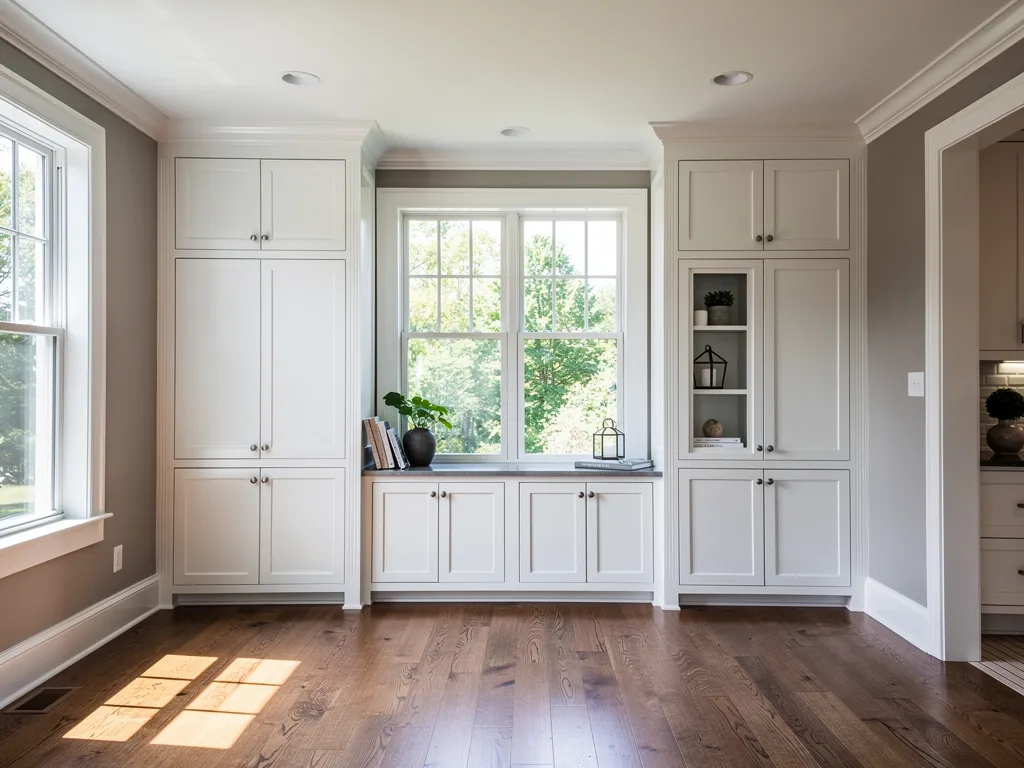
A contractor’s portfolio reveals the true quality of their finish carpentry. Homeowners in Stoneham, Massachusetts, should examine past projects before making any hiring decision. A gallery of completed work and verified Google reviews reflect consistent quality across every job. Without this evidence, clients risk hiring a contractor whose skills do not match the project’s demands.
What Types of Projects Should Appear in a Custom Carpentry Portfolio?
Custom cabinetry, built-ins, and trim work are hallmarks of a contractor who specializes in high-end finish carpentry. Paul’s Carpentry Workshop offers these services across Stoneham, MA, including kitchens, bathrooms, basements, decks, and stairs. A strong portfolio also features door and window replacements alongside complex architectural details. Reviewing past kitchen and bathroom remodels reveals a contractor’s ability to handle intricate design elements. Homeowners gain confidence when they see finished spaces that mirror their own vision.
How Many Completed Projects Indicate Reliable Experience?
Volume matters when paired with quality. Contractors who have completed over 500 projects demonstrate a track record of consistent execution. Paul’s Carpentry Workshop has been in business for over 40 years, completing 500+ projects for over 500 happy clients. This depth of experience proves the company manages timelines, budgets, and unexpected challenges effectively. Stoneham residents benefit from a contractor whose work has been tested across hundreds of real-world scenarios.
Why Does Local Experience Matter for Stoneham Homes?
A contractor’s experience with historic New England homes is especially relevant for Stoneham properties. Older houses often contain unconventional framing, plaster walls, and period-specific millwork. A portfolio filled with local projects shows familiarity with these regional quirks. Paul’s Carpentry Workshop specializes in custom carpentry projects in Stoneham, MA that respect both historic character and modern functionality. Clients avoid costly mistakes when their contractor already understands the architectural language of Massachusetts homes.
How Does the Contractor Manage Project Planning and Permits?
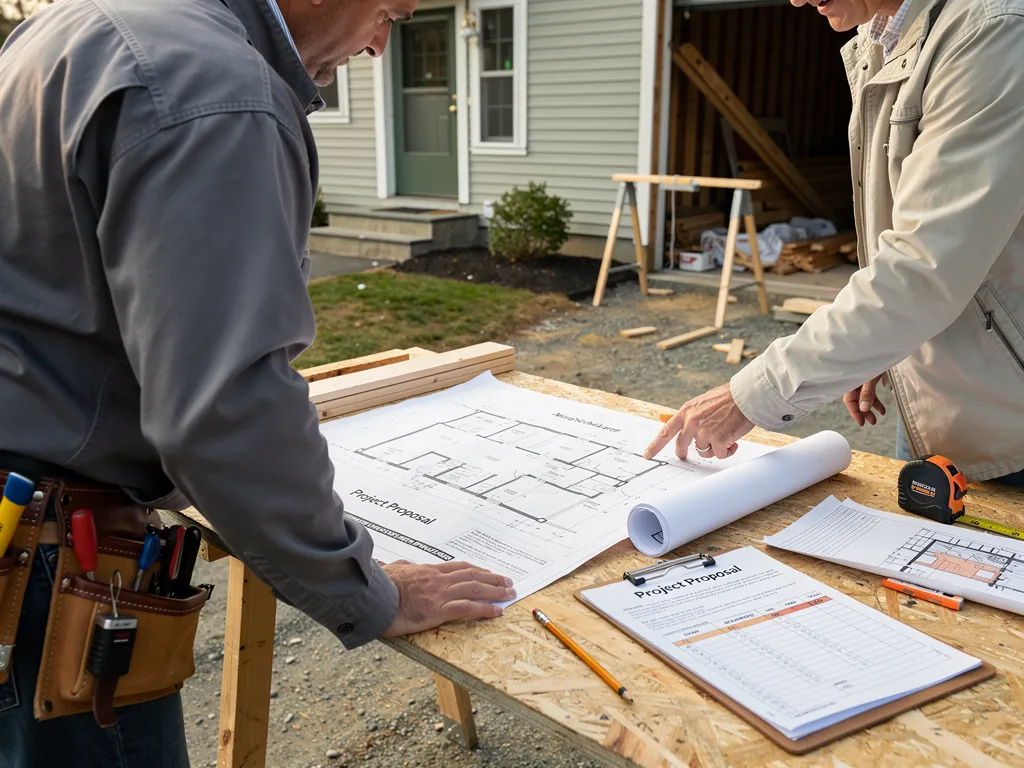
Effective project planning transforms a remodeling vision into a predictable, code-compliant reality. Contractors who handle permits and inspections in-house remove a significant burden from Stoneham homeowners. Without this service, clients face confusing municipal paperwork and scheduling delays that stall construction for weeks.
What Does a Detailed Proposal Include?
A thorough proposal eliminates guesswork before any material arrives on site. Paul’s Carpentry Workshop provides clients with a clear, organized document outlining the full scope of work, specified materials, and a realistic timeline. This written plan becomes the project’s backbone. It aligns expectations and prevents costly mid-project changes.
How Are Permits and Inspections Handled?
Managing permits and inspections in-house saves homeowners time and ensures compliance with local building codes. The company navigates Stoneham’s regulatory requirements directly, scheduling inspections at the correct project milestones. This integrated approach keeps the job moving without administrative holdups.
The planning phase follows a defined three-step approach:
- Consultation and Design: The contractor assesses the space and discusses functional needs and aesthetic goals.
- Planning and Proposal: A detailed proposal captures the agreed scope, material selections, and project timeline.
- Craftsmanship and Execution: Work begins only after the plan is approved and necessary permits are secured.
Free estimates allow homeowners to evaluate options and compare contractors without financial commitment. Responsive communication throughout the planning phase prevents misunderstandings and delays. Clients receive prompt answers to questions about material lead times or permit status. This steady flow of information builds confidence and keeps the project on track from the initial consultation through final inspection.
What Materials and Craftsmanship Standards Should You Expect?
Quality materials form the foundation of durable carpentry that withstands New England’s demanding climate. Paul’s Carpentry Workshop emphasizes quality materials, perfect finishes, and reliable project management for every custom project in Stoneham, Massachusetts. Substandard lumber or hardware fails early. The cost of replacement far exceeds the initial savings on inferior components.
What distinguishes finish carpentry from rough carpentry?
Finish carpentry defines how a renovation looks and feels. Crown molding, wainscoting, custom built-ins, and trim details transform functional spaces into refined interiors. Rough carpentry handles framing and structural work. A contractor offering both disciplines ensures consistency from the first stud to the final piece of casing. Paul’s Carpentry Workshop brings over 40 years of combined carpentry and remodeling experience across both rough and finish scopes.
How do precise measurements affect custom built-in quality?
Custom built-ins and millwork demand exact measurements and skilled joinery. Gaps, misaligned doors, and uneven shelving betray rushed work immediately. Paul’s Carpentry Workshop specializes in custom built-in cabinets that fit flush against existing walls and floors. The company’s craftsmen account for out-of-square conditions common in older Stoneham homes. Every joint receives attention before installation begins.
What standards apply to hardwood floor installation?
Hardwood floor installation and refinishing require experienced hands. Improper nailing patterns cause squeaks. Inadequate acclimation leads to seasonal gapping. Paul’s Carpentry Workshop manages the full sequence: subfloor preparation, moisture testing, precise layout, and final sanding. The result is a seamless surface free of lippage and uneven transitions. Homeowners in Stoneham avoid costly floor failures by insisting on this level of craftsmanship from the start.
How Can You Verify Customer Satisfaction and Local Reputation?
Verifying a contractor’s reputation protects homeowners from costly mistakes. A thorough reputation check reveals whether a custom carpentry contractor in Stoneham delivers on promises before any contract is signed. Skipping this step risks project delays, budget overruns, and substandard craftsmanship that diminishes a home’s value.
What Do Online Reviews Reveal About a Contractor’s Performance?
Verified Google reviews provide authentic feedback from past clients about their experience. These reviews reflect consistent quality and pride in craftsmanship. Witt & Sons recommends examining several factors: how many reviews a contractor has, how many stars they average, and how active their review profile remains. Recent reviews carry more weight than older ones. A contractor with dozens of fresh, positive reviews demonstrates current reliability. Stale or sparse reviews signal potential inconsistency.
Why Does Better Business Bureau Accreditation Matter?
An A+ Better Business Bureau rating signals a contractor’s commitment to resolving disputes and maintaining high standards. This rating reflects years of ethical business practices and responsive customer service. Homeowners gain an objective benchmark that complements personal referrals and online testimonials. The BBB also tracks complaint histories, giving prospective clients a clear picture of how a company handles problems when they arise.
How Do Local References Strengthen a Hiring Decision?
Asking for references from recent projects in Stoneham or nearby communities gives insight into local workmanship. Speaking directly with homeowners in Wakefield, Melrose, or Winchester who completed similar projects provides unfiltered perspectives. A contractor who has served the same area for over 40 years is likely to have a strong local reputation. Longevity in one geographic market proves sustained customer satisfaction. Homeowners evaluating a contractor should also review essential tips to choose the right carpenter before scheduling consultations.
- Request references from projects completed within the last six months.
- Contact at least three past clients and ask about communication, timelines, and cleanup.
- Drive by completed projects in Stoneham to inspect visible workmanship firsthand.
- Cross-reference reference feedback with online review patterns for consistency.
FAQ
Why is licensing and insurance non-negotiable for Stoneham contractors?
Massachusetts requires active state licensing and adequate insurance. Paul’s Carpentry Workshop maintains current licensing and insurance for every project in Stoneham.
How do I know if a contractor is properly lead-certified for an older home?
Ask to see the contractor’s EPA lead-safe certification directly, rather than taking their word for it. Paul’s Carpentry Workshop holds this certification and follows EPA-mandated containment and cleanup protocols on any Stoneham home built before 1978.
What should a detailed carpentry proposal include?
A solid proposal spells out the full scope of work, the specific materials being used, and a realistic timeline before any work begins. Paul’s Carpentry Workshop provides this level of detail upfront so homeowners know exactly what to expect.
How many completed projects should a contractor have before I hire them?
A track record of several hundred completed projects is a strong sign of consistent, reliable execution. Paul’s Carpentry Workshop has completed 500+ projects over more than 40 years in business, serving Stoneham and the surrounding North Shore communities.
How can I check a contractor’s reputation in Stoneham before signing a contract?
Look at verified Google reviews, the company’s Better Business Bureau rating, and references from recent local projects. Paul’s Carpentry Workshop holds an A+ BBB rating and has served Stoneham, Wakefield, Melrose, and Winchester homeowners for over 40 years.
Conclusion
Choosing the right custom carpentry contractor in Stoneham comes down to verifying credentials, craftsmanship standards, and local reputation before any work begins. Homeowners who confirm licensing, lead certification, and an A+ BBB rating, then review recent references and completed projects, position themselves for a renovation that meets both aesthetic and functional goals. Taking these steps transforms a significant investment into a confident decision, ensuring the finished space reflects quality workmanship and enduring value for years to come.


